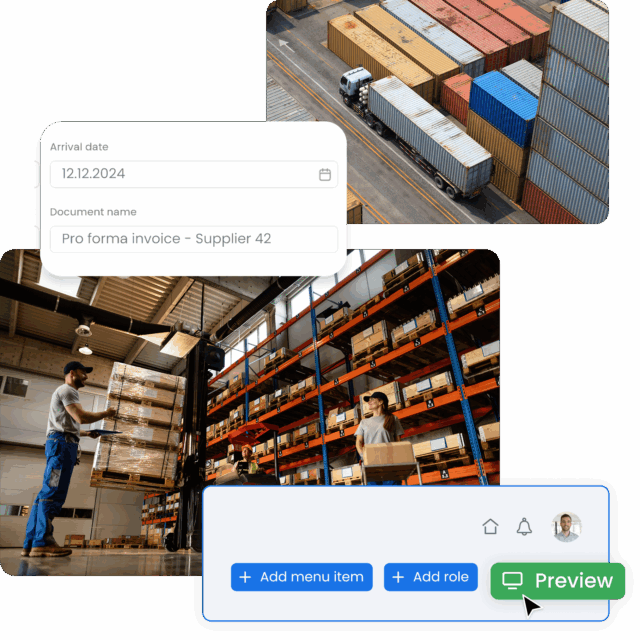
Intelligent Logistics needs
an intelligent build process
Replace or extend your legacy TMS with AI-led development, phase by phase, while your current system keeps running. Your team stays involved, and you own the code.
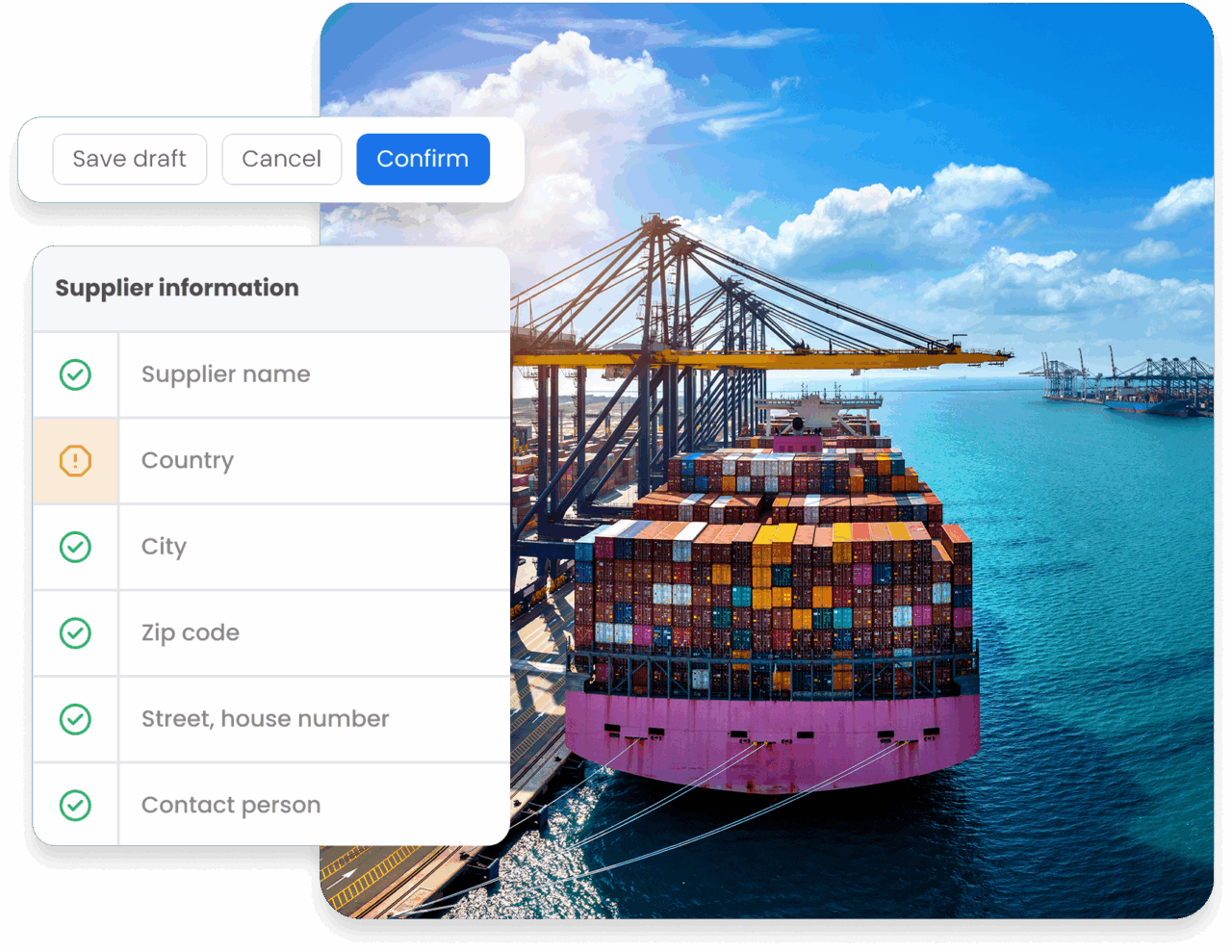

Modernize without the big bang
Decades of Intelligent Logistics run on systems that work. The risk was never whether your team could build a replacement. It’s what breaks, and what you lose, in the process of ripping one out.
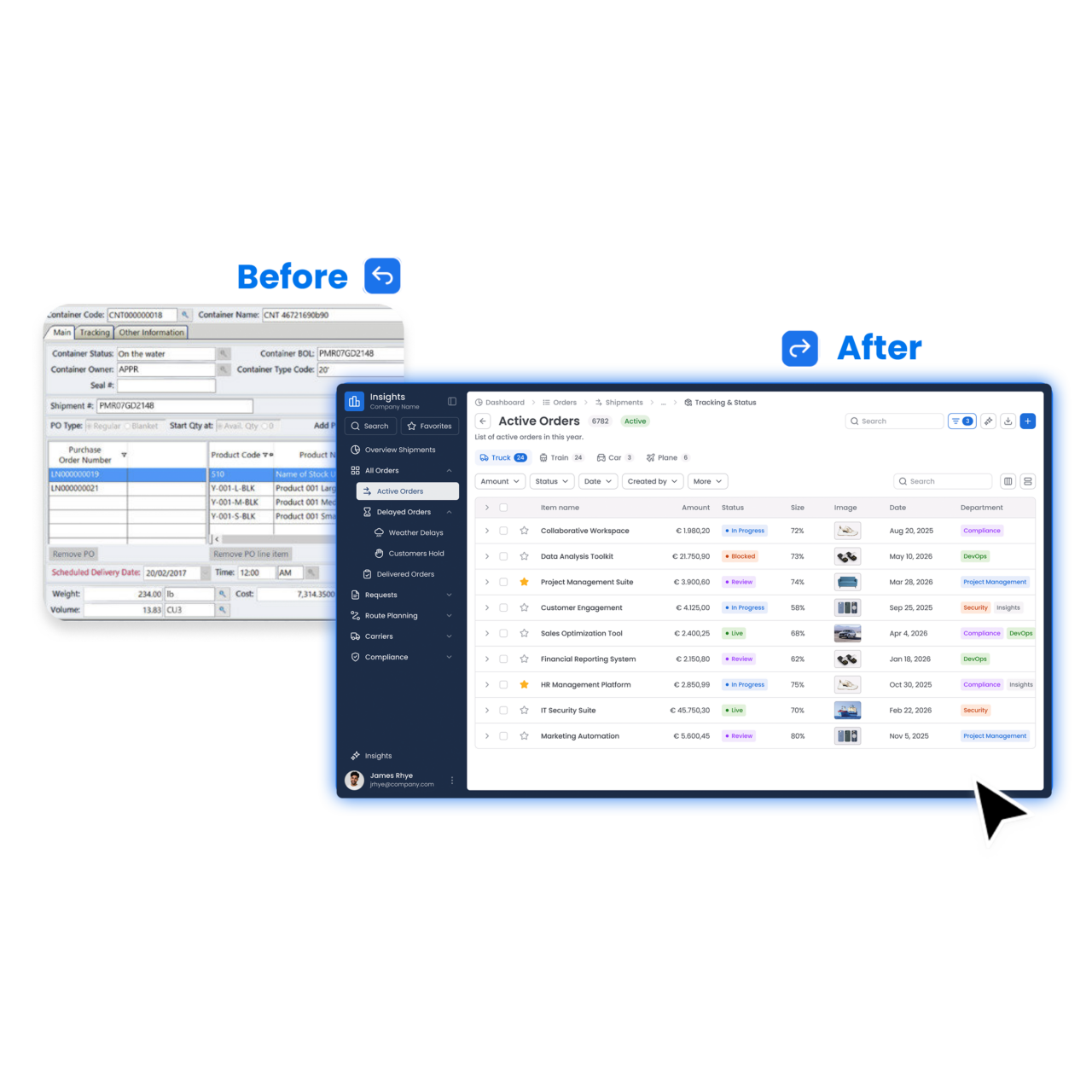
Rappit’s team works embedded alongside yours to extend and modernize legacy WMS/TMS infrastructure in place. Not a full rewrite, no multi-year re-platforming project, no downtime on the systems your network depends on today.
Modernization that fits
how your developers already work
Predictable code generation
Not black-box generation. Every output is reviewable, structured, and consistent with how your team already writes and maintains systems
Deterministic code paths
For the logic that runs your logistics network. No unpredictable behavior in systems where reliability isn’t negotiable
Forever-young architecture
Built to extend as your platform and network evolve, not a one-time rewrite that ages the moment it ships
Rappit as your solution development partner
Looking to realize value fast with custom software? Rappit’s experts work shoulder to shoulder with you to build custom solutions around your unique requirements. We build it for you, or together with you. You own it.
Deep domain expertise
We know what works because we’ve done it before. We specialize in modernizing mission-critical legacy systems for industry leaders.
End-to-end approach
Business analysis, ideation, development and support. Rai and a full team of AI agents accelerate every stage. Deep domain expertise and best practices from the start.
Collaborative delivery
Replace aging software without downtime. We integrate seamlessly with your teams to co-build custom solutions that keep your business running while you modernize.
Trusted in transport & logistics


From blueprint to intelligent logistics
Building a mission-critical system isn’t a single leap. Here’s how the work actually breaks down, phase by phase.
01 · Discovery
Map requirements & strategy
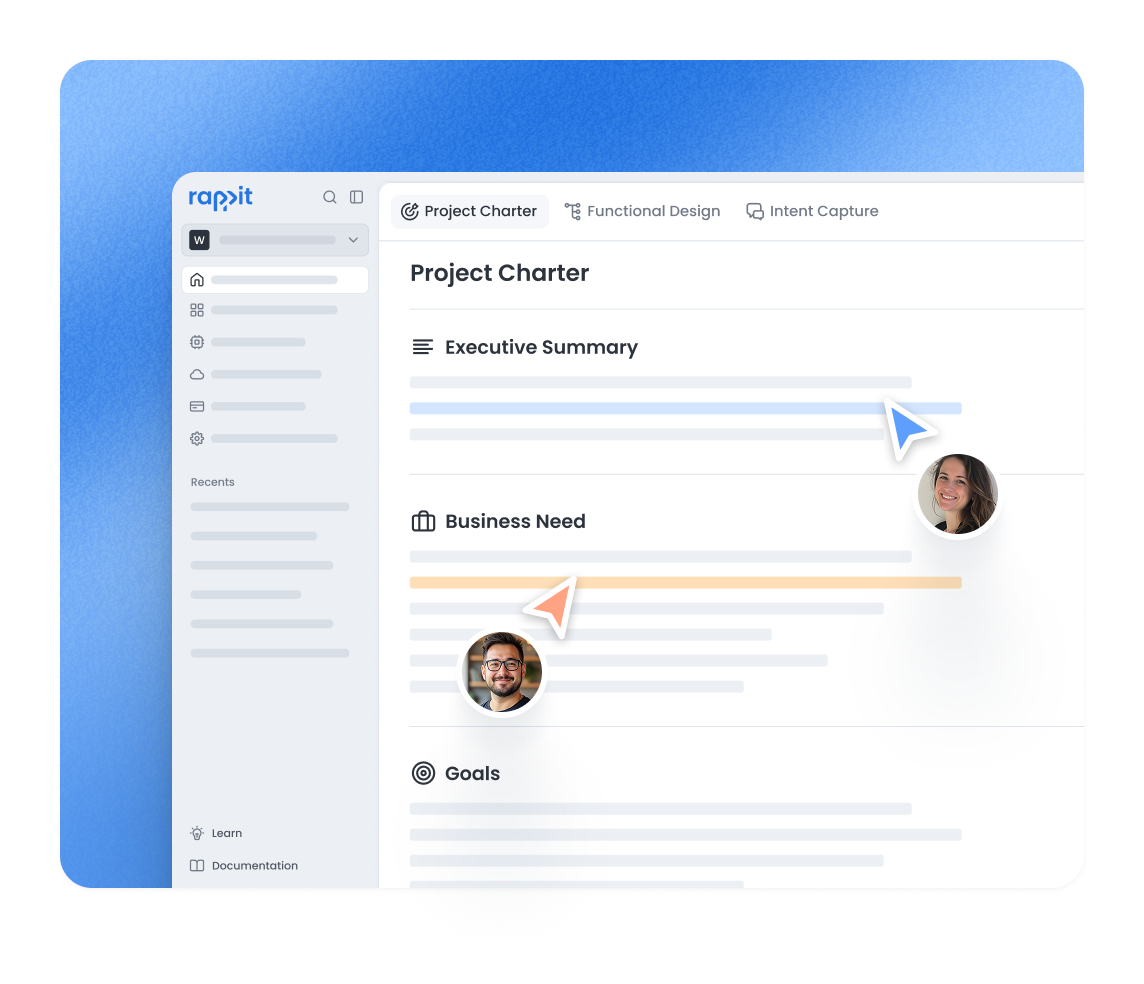
RAI turns your existing documentation and legacy WMS/TMS into a living blueprint your team validates in days, not the six to twelve months manual mapping used to take. It captures the planning rules, rate structures and exceptions your planners have built up over years.
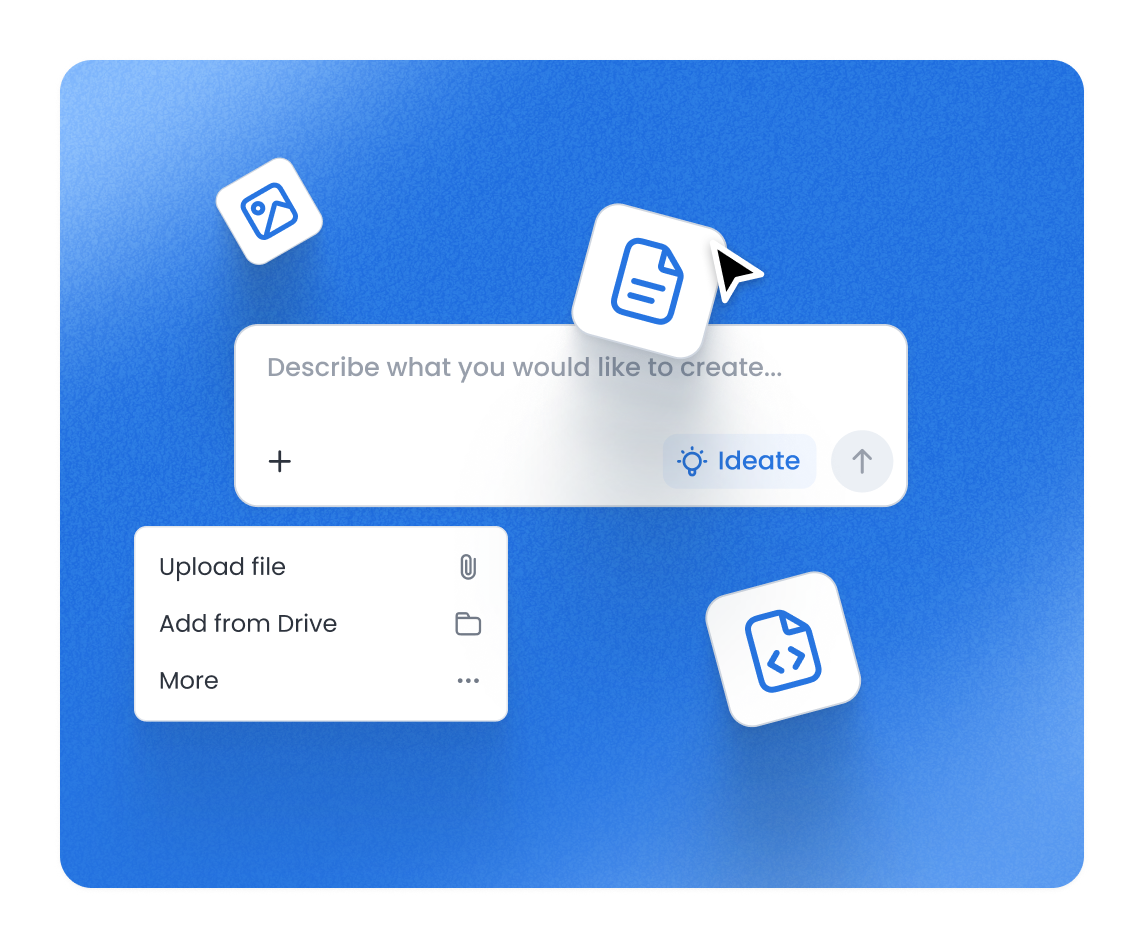

02 · Design
Define the architecture
System architecture is built around how your network actually runs: order intake, trip and equipment planning, cleaning and depot flows, ADR compliance and invoicing. A business rules engine lets your operations team change planning or pricing logic in hours, not release cycles.
03 · MVP
Prove it fast
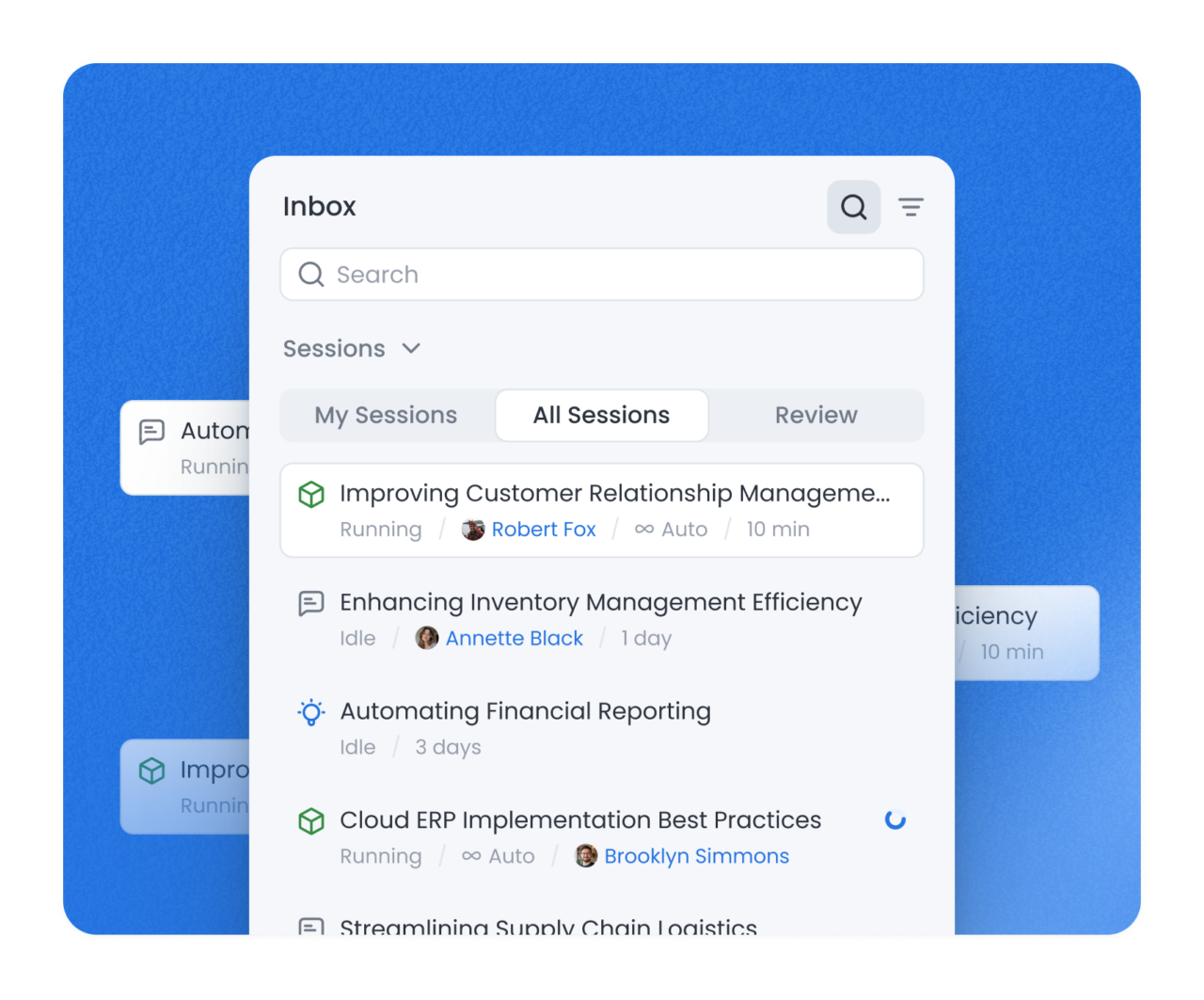
Development starts directly on the blueprint already validated, deploying 50 to 70% faster than traditional custom builds, small enough to move quickly, production-ready enough to give the business an early win.
04 · Develop & deliver
Build at speed
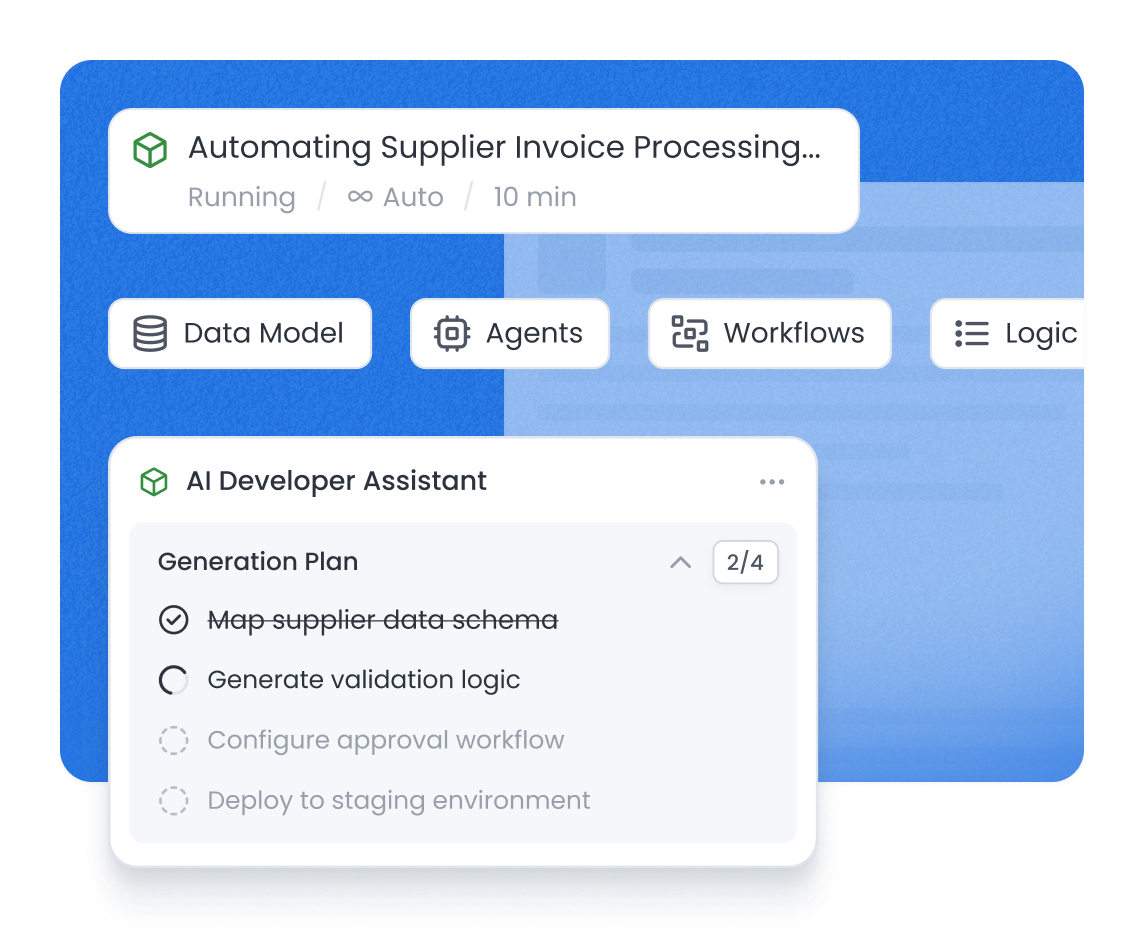
Cross-functional teams build in parallel on Rappit’s platform, with AI handling automated testing, vulnerability scans, and compliance checks against every build, so quality holds as the system scales.
05 · Quality assurance
Test at every level
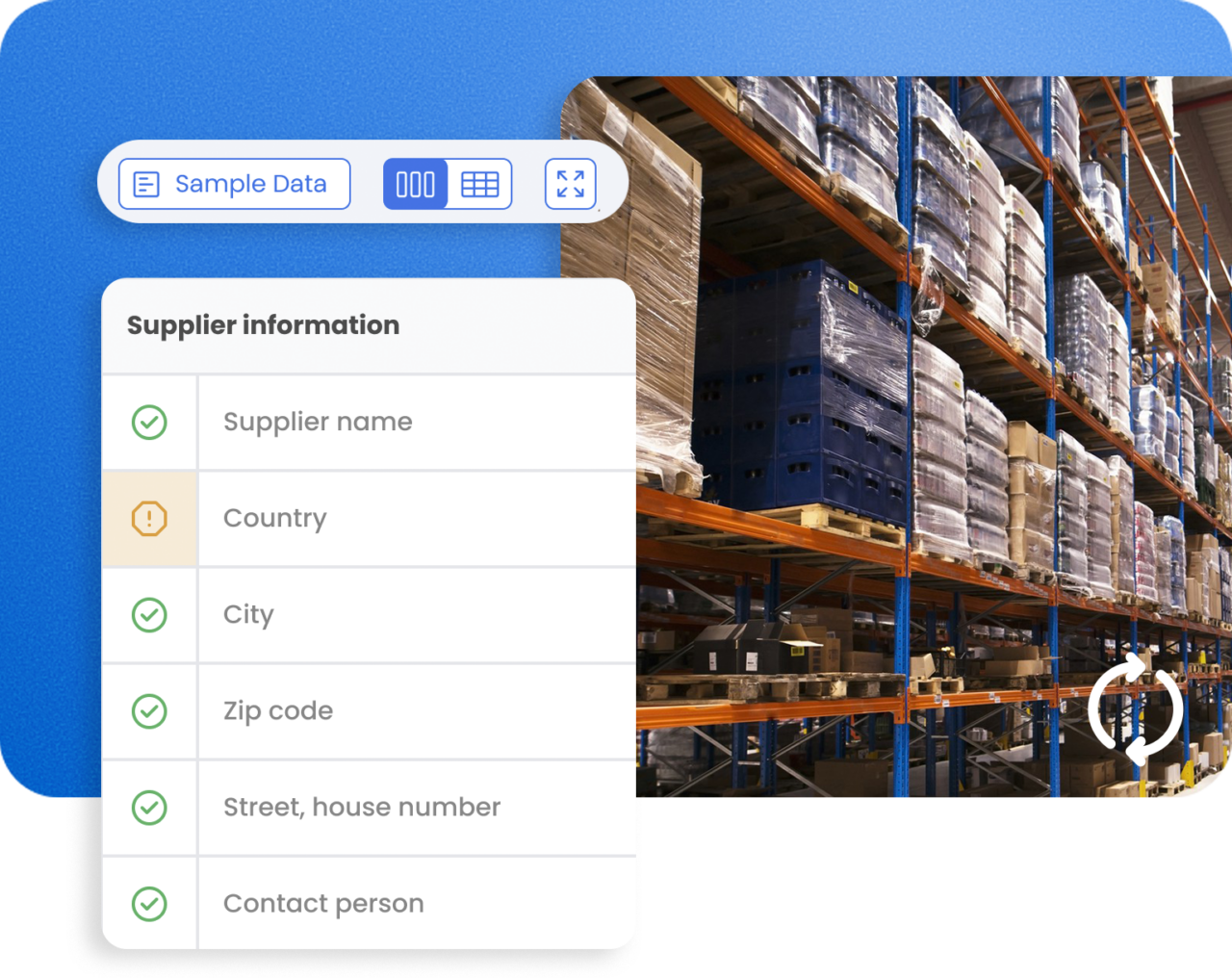
Every build passes developer, technical team and business user acceptance testing, backed by OWASP Top 10 checks and an independent code assessment. Cutover runs on zero-downtime deployment, so orders, planning and invoicing keep moving throughout.
06 · Maintain & adapt
Intelligent logistics, future-ready
Ongoing monitoring, dependency tracking, and a single dashboard keep your logistics operations reliable and secure, backed by ISO27001 compliance and SOC2-assured Cloud Operations.
Want to see it in more detail?
Our guide walks through exactly how Rappit builds a custom TMS that adapts to your business, one phase at a time. Or have a look at our interactive demo, to see how our engineers use the platform to build.
Let's map what your IT team actually needs
Talk to one of our experts to have a conversation about your operations, bottlenecks, and whether a custom cloud-based TMS is worth the investment for you.