
Custom Warehouse Management System built around your operations
Off-the-shelf WMS platforms are built for the average operations. Yours isn’t average.
Your warehouse doesn’t run like anyone else’s. Why should its software?
Rappit builds a cloud-based Warehouse Management System around the way your business actually picks, packs and ships, owned by you with no vendor lock-in
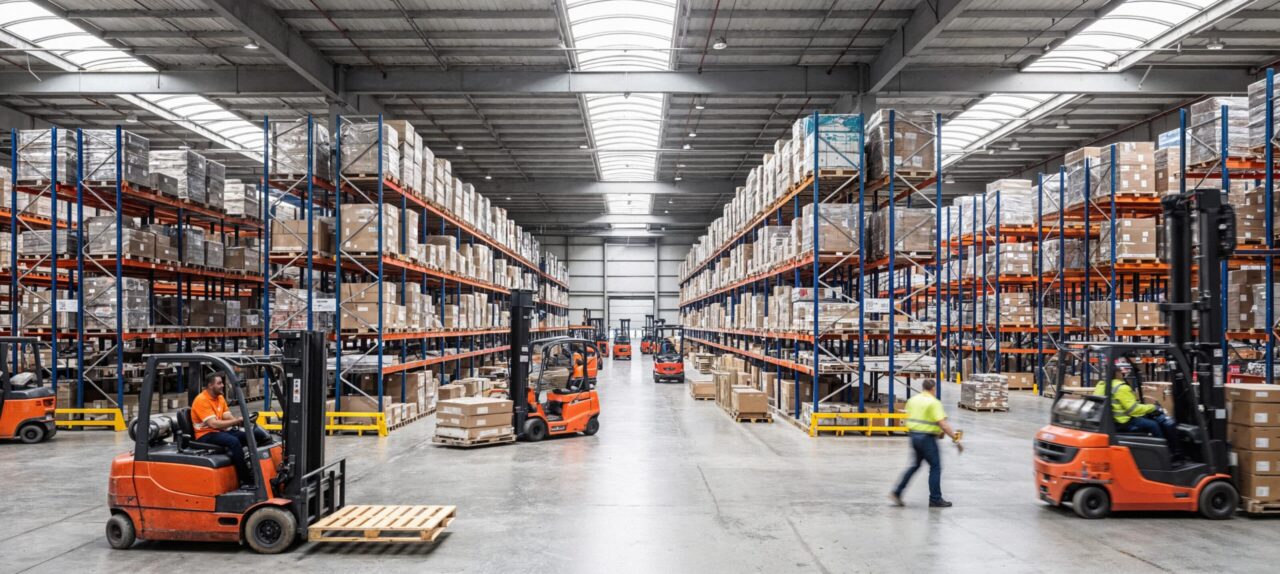

Hear it straight from the people running the warehouse
When eParts.shop outgrew their low-code vendor portal, licensing costs and rigid customization were slowing down every new warehouse launch. After rebuilding with Rappit, they opened their second warehouse in just four months, with no vendor lock-in standing in the way.
Brandon van Beek, CEO of eParts.shop, on what changed.
Five ways rigid WMS software is quietly costing you
A warehouse system rarely fails all at once, it just stops keeping up. These are the symptoms we hear most from operations team outgrowing their platform:
Time wasting
Pickers and planners burn extra clicks and minutes on screens built for a generic job, not theirs.
Lack of visibility
Inventory, staffing, and slotting decisions get made after the fact, because visibility isn’t real time
Costly differentiating processes
The one process that actually sets you apart from competitors can’t be added without a costly workaround
Innovation incompatibility
New automation, robotics, or data & AI tooling can’t plug into an architecture that predates them
Patching over innovating
Every year it runs, the system gets more expensive to keep alive and harder to find people who understand it
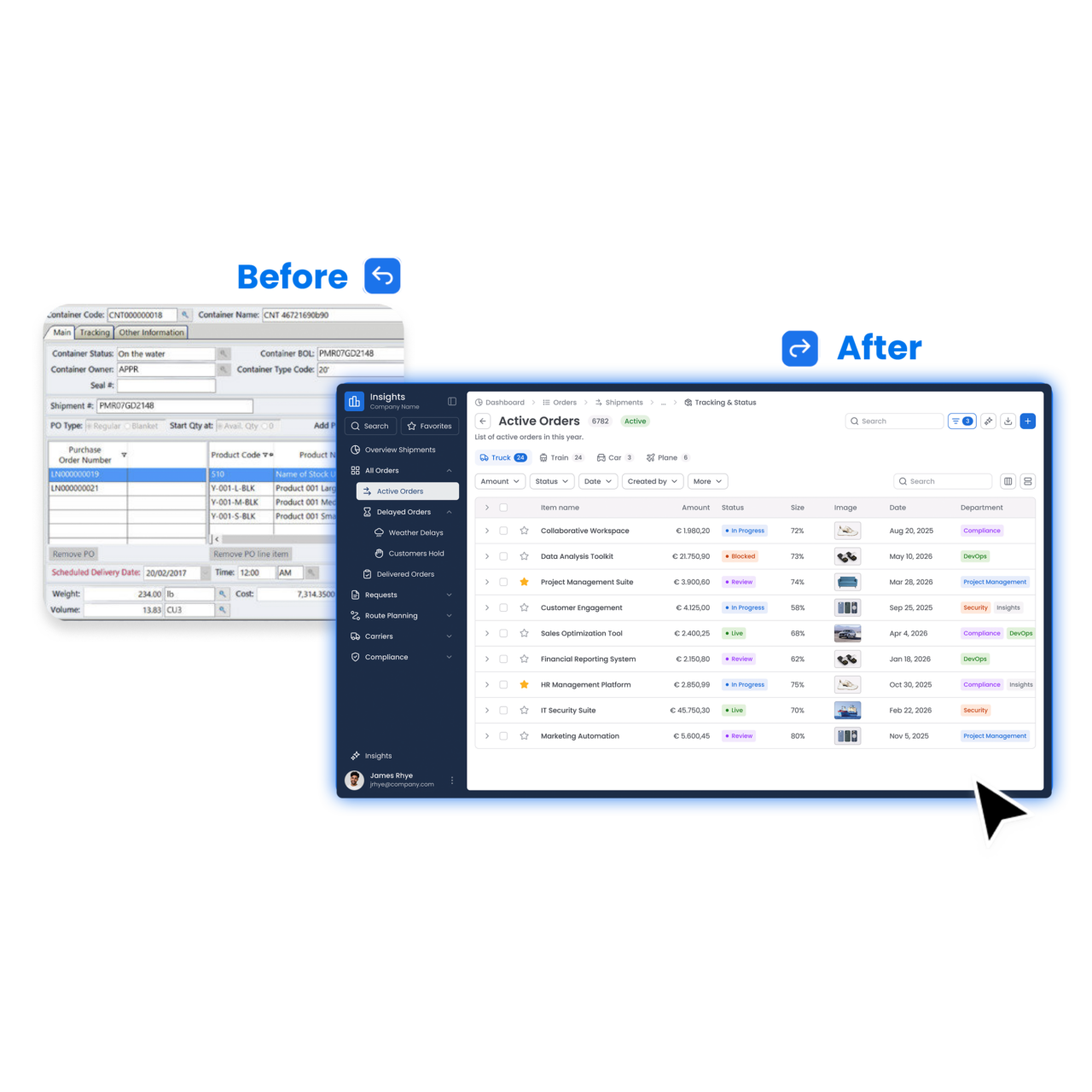
Rip and replace isn’t the only option
A warehouse can’t afford downtime, so Rappit modernizes in phases. What already works stays in production, while the rest gets rebuilt and brought online gradually, alongside the old system.
Rappit’s agentic modernization tools turn your existing documentation, screenshots, and legacy structure into a living blueprint your team validates in days, capturing the slotting logic and exceptions your people have built up over years. What used to take six to twelve months now starts from something real, not a blank page.
Off-the-shelf or purpose-built: How the two compare
Five things a purpose-built and cloud-based WMS gives you back
What you get when your WMS is built around your operation, not the other way around.
1. Fits how you work
Receiving, put-away, picking, packing, and shipping modeled on your actual workflows, not a generic template.
2. Grows with you
Add channels, sites, or fulfillment models without waiting on a vendor’s roadmap.
3. Pay for what you use
No bundled modules sitting idle, and no per-end-user licensing stacking up as headcount grows.
4. Ready for what's next
Cloud-native from day one, so automation, robotics, and AI can plug straight in
5. Yours, fully
You own the code and every decision about how it changes, no vendor lock-in.
Rappit as your solution development partner
Looking to realize value fast with custom software? Rappit’s experts work shoulder to shoulder with you to build custom solutions around your unique requirements. We build it for you, or together with you. You own it.
Deep domain expertise
We know what works because we’ve done it before. We specialize in modernizing mission-critical legacy systems for industry leaders.
End-to-end approach
Business analysis, ideation, development and support. Rai and a full team of AI agents accelerate every stage. Deep domain expertise and best practices from the start.
Collaborative delivery
Replace aging software without downtime. We integrate seamlessly with your teams to co-build custom solutions that keep your business running while you modernize.
From blueprint to warehouse floor
Building a mission-critical system isn’t a single leap. Here’s how the work actually breaks down, phase by phase.
01 · Discovery
Map requirements & strategy
RAI turns your existing documentation and legacy system into a living blueprint your team validates in days, not the six to twelve months manual mapping used to take, capturing the slotting logic and exceptions your team has built up over years.

02 · Design
Define the architecture
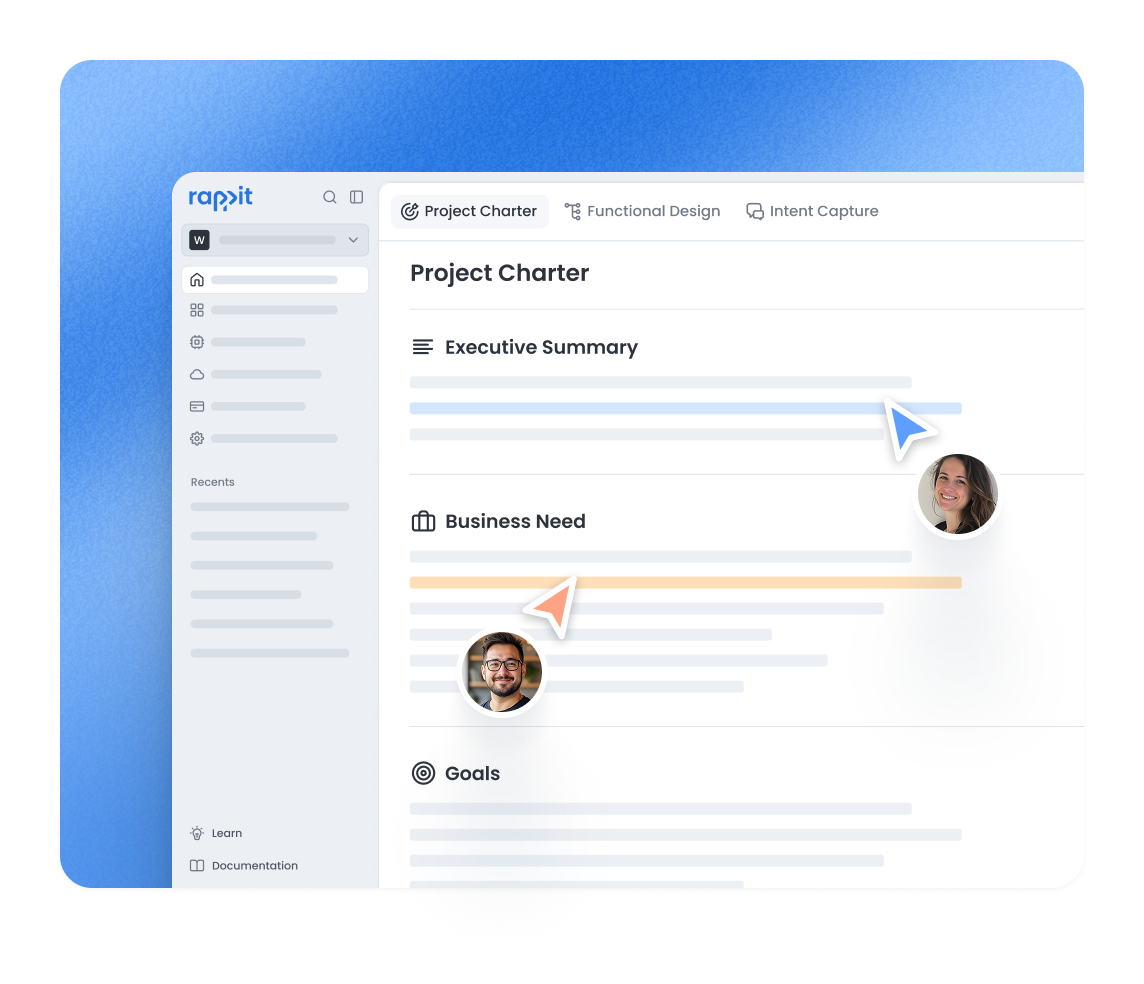
System architecture is built around your actual slotting logic, putaway rules, and compliance requirements on Google Cloud, with a business rules engine that lets operations teams change how the floor behaves in hours, not release cycles.
03 · MVP
Prove it fast
Development starts directly on the blueprint already validated, deploying 50 to 70% faster than traditional custom builds, small enough to move quickly, production-ready enough to give the business an early win.
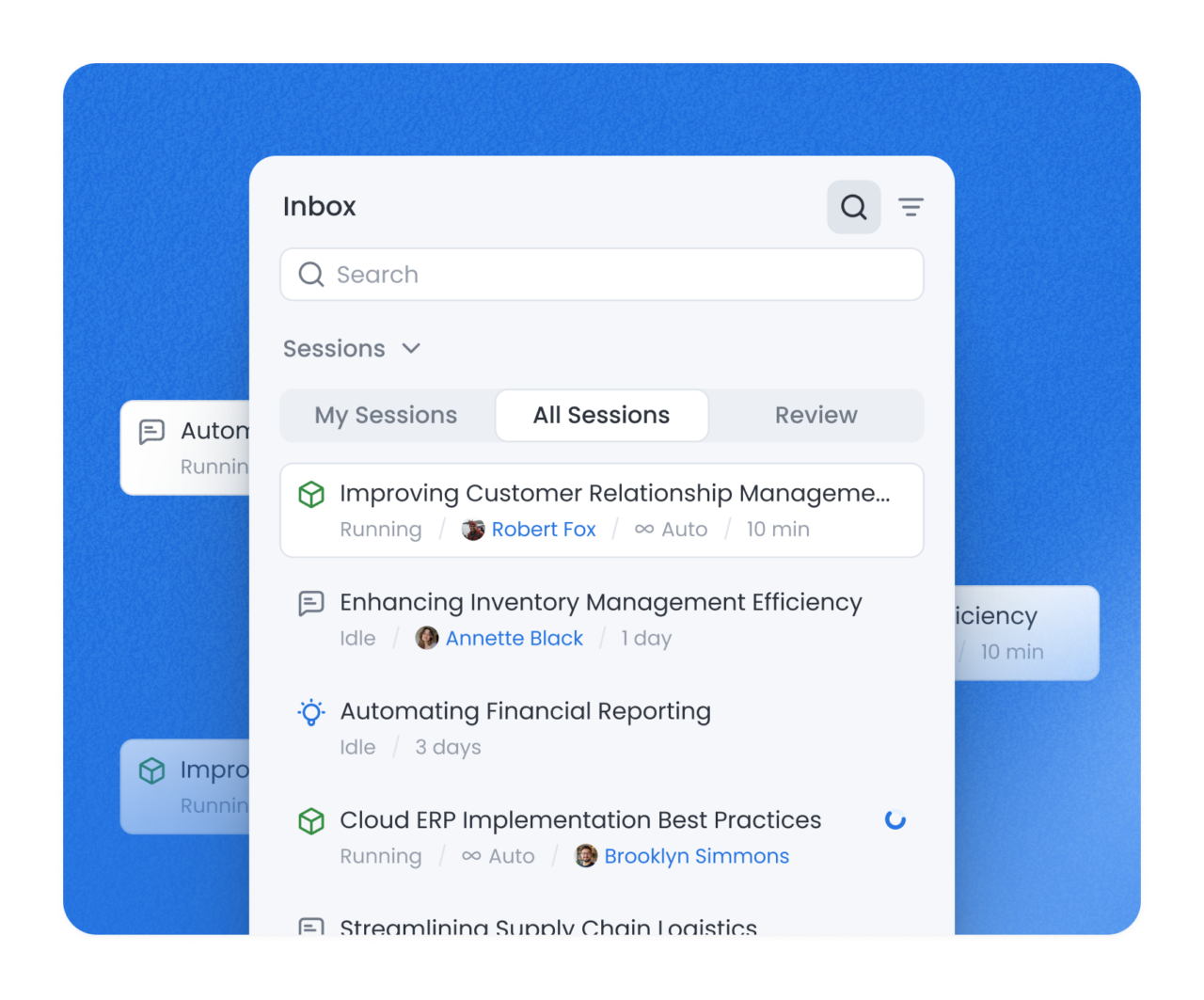
04 · Develop & deliver
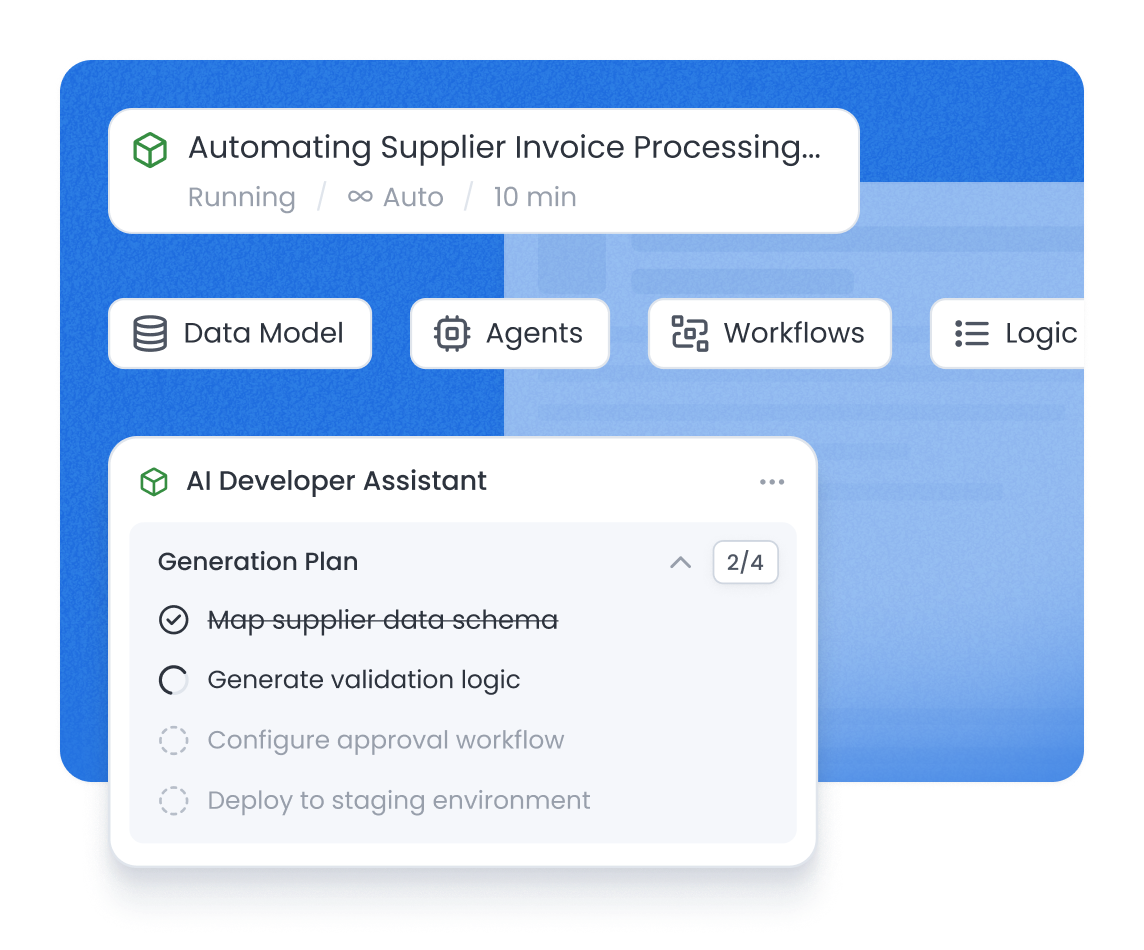
Build at speed
Cross-functional teams build in parallel on Rappit’s platform, with AI handling automated testing, vulnerability scans, and compliance checks against every build, so quality holds as the system scales.
05 · Quality assurance
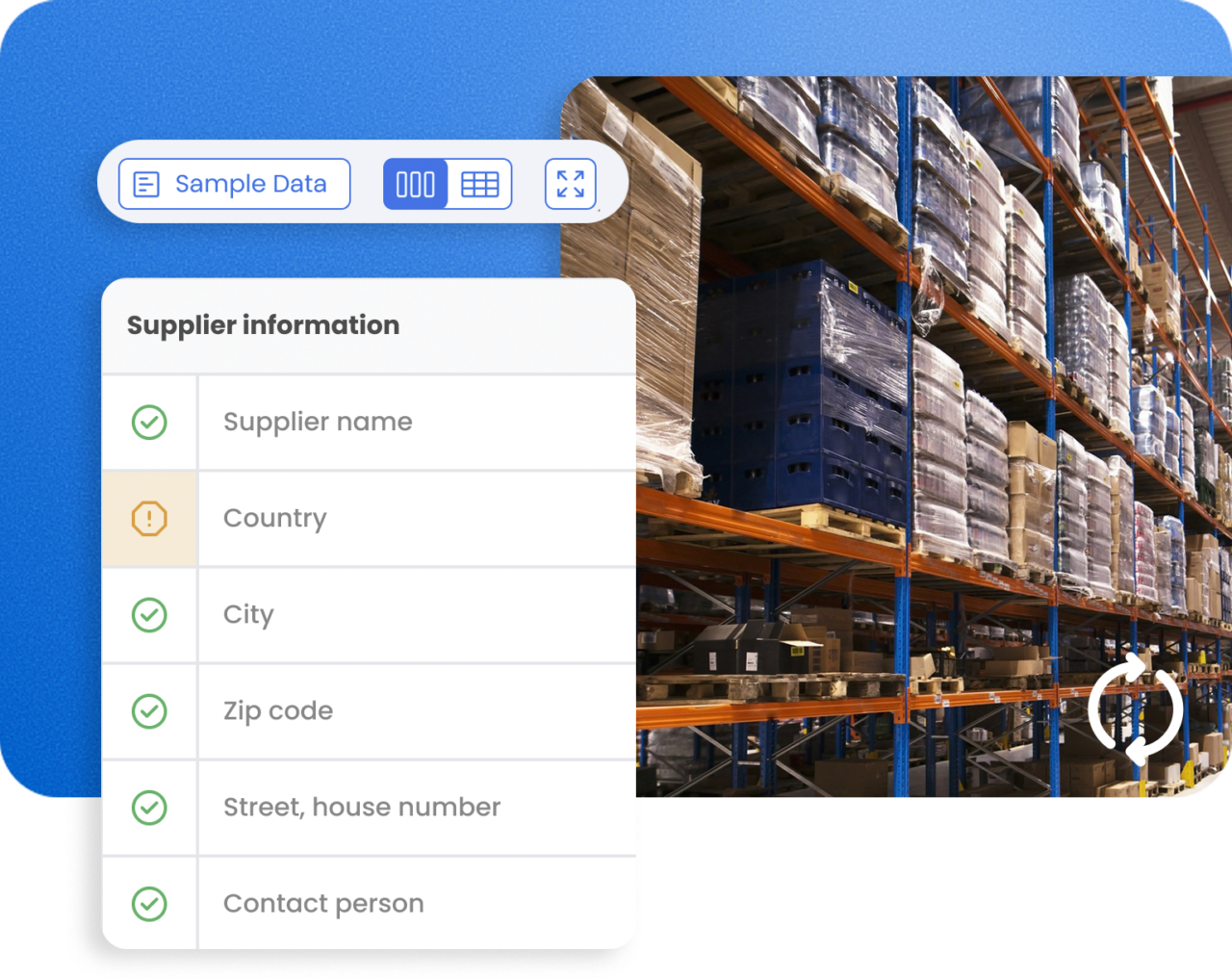
Test at every level
Every build passes developer, technical team, and business user acceptance testing, backed by OWASP Top 10 checks and an independent code assessment. Cutover runs on zero-downtime deployment, so picking, packing, and shipping never stop.
06 · Maintain & adapt
Stay future-ready
Ongoing monitoring, dependency tracking, and a single dashboard keep your WMS reliable and secure, backed by ISO27001 compliance and SOC2-assured Cloud Operations.

Want to see it in more detail?
Our guide walks through exactly how Rappit builds a custom WMS that adapts to your business, one phase at a time. Or have a look at our interactive demo, to see how our engineers use the platform to build a WMS.
Dive into these success stories

Let's map what your warehouse actually needs
Talk to one of our experts to have a conversation about your operations, bottlenecks, and whether a custom cloud-based WMS is worth the investment for you.
FAQ
What is a Warehouse management system (WMS)?
A Warehouse Management System is software that manages and optimizes warehouse operations: receiving, put-away, inventory, picking, packing, and shipping. Turning every process into data that supports faster, smarter decisions.
What types of Warehouse Management Systems are there?
Broadly, two: Standard (off-the-shelf) WMS platforms like commercial vendor solutions. Used for more generic and less complex processes. And custom WMS, built specifically for the company’s unique processes and operations.
Which WMS offers a greater competitive advantage: standard or custom?
A well-configured standard WMS applies industry best practices and can make an operation more efficient. But since every company on that platform uses the same system, it can’t be a source of differentiation, and standardization tends to favor the largest customer base. Leaving companies with specific or innovative needs missing functionality.
A custom and cloud-based WMS is built to your requirements from the outset, on modern technology, giving you a foundation for data-driven decision-making, responsiveness to market shifts, and an operational edge that a standard system can’t replicate.
Which one is better scalable: custom or standard Warehouse system?
Standard WMS vendors offer modules you can add or remove, and ship periodic updates. A custom WMS is scalable by design, built cloud-native, with your growth in mind from day one, rather than fitted to it after the fact.
What does "cloud-based" actually mean for a WMS?
It means the system runs on cloud infrastructure, like Google Cloud, which Rappit builds on as a Premier Partner. Instead of on-premise servers. In practice, that’s what lets a WMS scale up during peak season and back down afterward, stay accessible in real time across handhelds and control-room screens, and integrate with new automation, robotics, or AI tooling through modern APIs. Most legacy, on-premise WMS platforms weren’t built with any of that in mind, which is a big part of why they struggle to keep up.
Can a standard WMS be customized?
Yes, to a point. Most standard WMS platforms allow configuration of data models, reports, dashboards, and integrations. But adding genuinely differentiating capability on top of a standard WMS usually means costly, fragile customization layered on architecture that wasn’t built for it.
How long does it take to implement a WMS?
It depends on scope, but it’s faster than it used to be. Because development starts directly on a validated blueprint instead of a fresh requirements phase, a first MVP module typically deploys 50 to 70% faster than a traditional custom build, often going live within a few months. The full modernization then rolls out in phases afterward, a controlled, iterative process rather than a single risky cutover.
What is the difference between a WMS and TMS?
A WMS manages what happens inside the warehouse: inventory, order processing, and space optimization. A TMS manages transportation and logistics outside the warehouse. Many operations need both, integrated with each other and with their ERP.
How secure and compliant is a custom WMS?
Security is built into the architecture from day one, including role-based and attribute-based access control, full audit logging, and code checked against OWASP Top 10 standards before it ships. Rappit is ISO27001-compliant, re-validated yearly by an independent auditor, and delivers SOC2-assured Cloud Operations and Support today, with platform-level SOC2 assurance on the roadmap.
How much does a custom WMS cost?
A standard WMS is usually cheaper up front and suits operations with few special requirements. A custom WMS carries a higher initial investment, but because it’s built precisely around your processes, it tends to deliver more value over time. That return grows as your operation becomes more specialized. The right choice depends on how much of your competitive edge actually lives in how your warehouse runs.