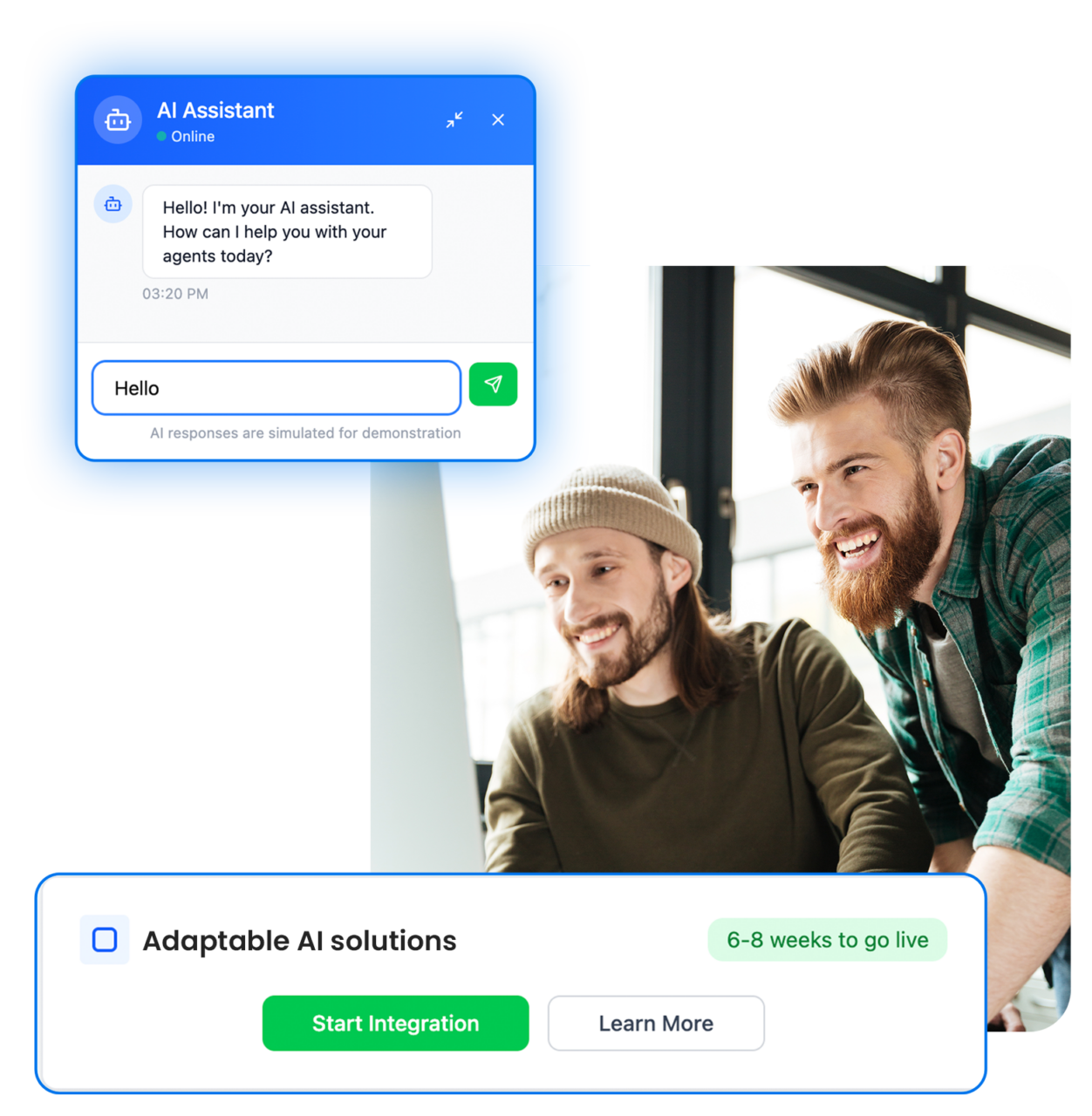
AI promise vs reality: Enterprise implementation
Enterprise AI shouldn’t take 6-24 months and cost six figures to deploy. Yet most organizations face the same obstacles: scarce AI expertise, lengthy custom development cycles, and complex infrastructure orchestration. While you’re building, your competitors are already deploying.
The opportunity cost is real. Organizations that rapidly deploy conversational intelligence and personalization gain measurable advantages in customer experience and operational efficiency. The question isn’t whether to implement AI, it’s how to do it without the traditional barriers.
60-80% cost reduction compared to custom development
Only 6-8 weeks to production deployment
Trusted by organizations that demand results
Stop building AI from scratch
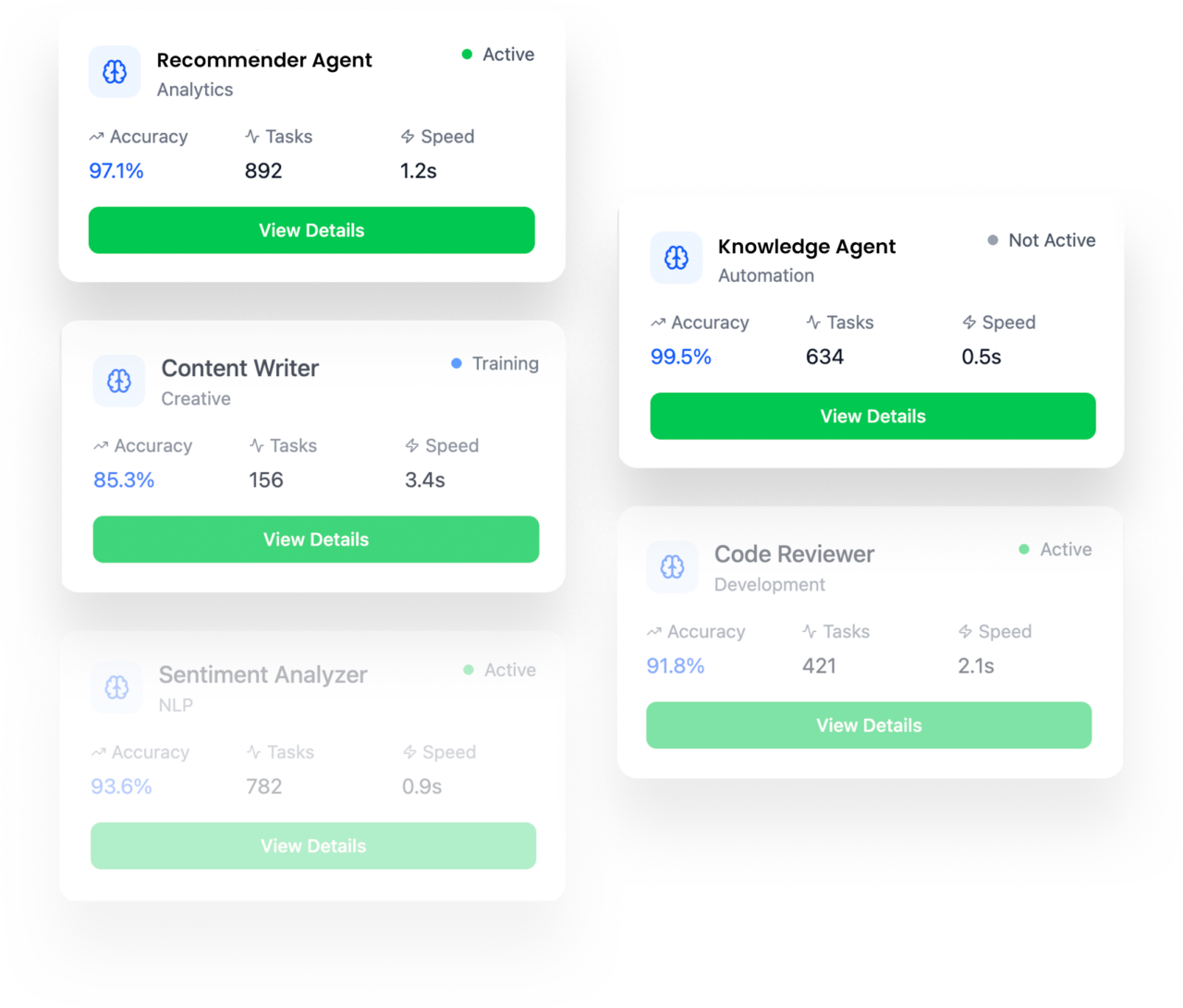
Rappit’s AI agents are production-ready components that integrate directly into any open system. Unlike generic frameworks or standalone tools, these agents solve specific business problems and can be configured to fit your unique requirements.
Think of them as intelligent modules that can be configured with your data and business logic, and deploy as integrated parts of your solution. This eliminates building AI from scratch while maintaining full control over behavior and integration.
Recommender agent

Embed into any website or
e-commerce application
e-commerce application
Deliver personalized experiences that drive
conversion and revenue.
The Recommender Agent understands customer preferences through natural conversation and delivers intelligent product recommendations in real time. Instead of clicking through filters, customers can simply describe what they want in their own language. The agent understands, learning from context, conversation history, and customer behavior to suggest optimal matches that increase engagement and sales.
How it works
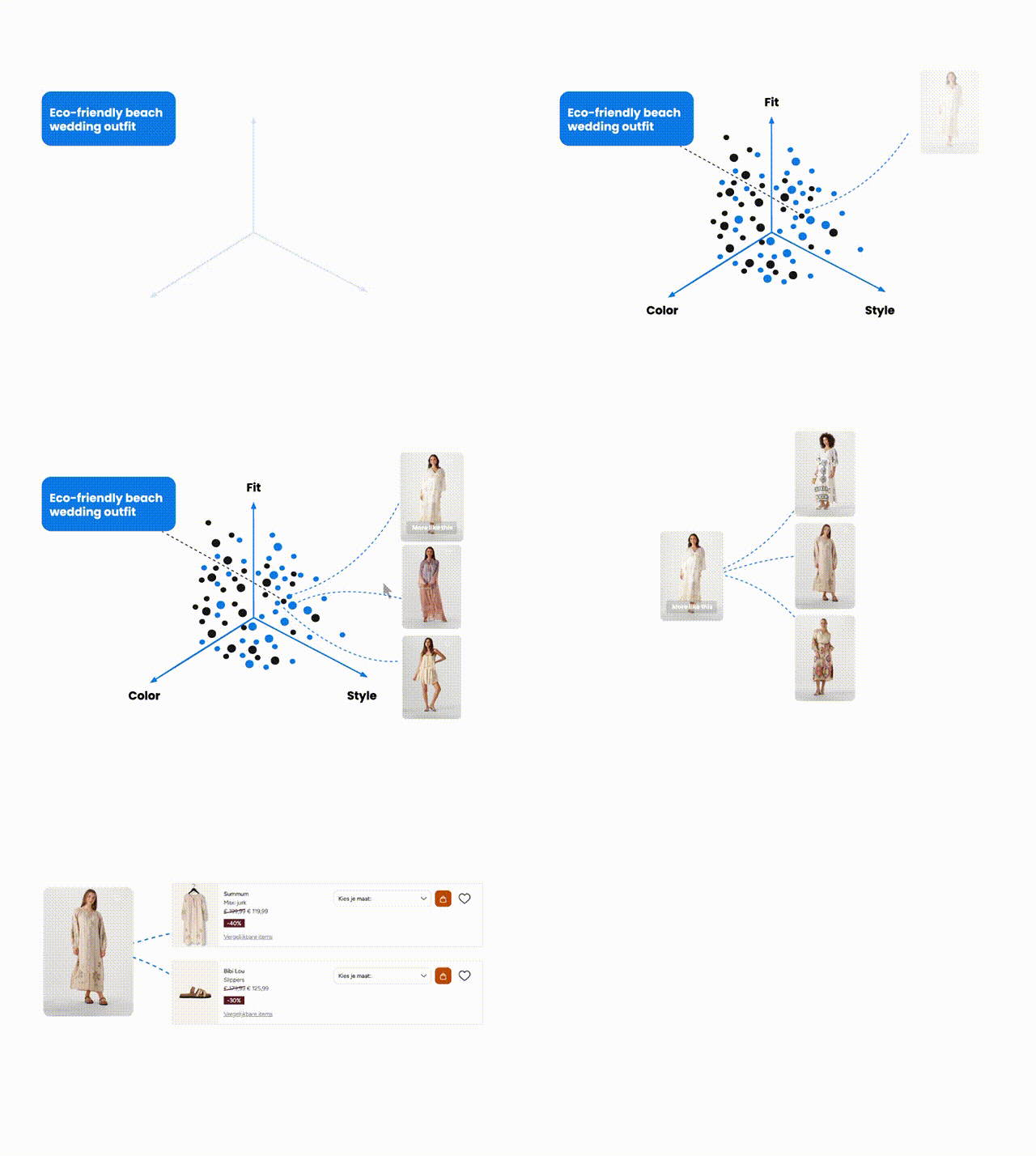
Finding the perfect product becomes a simple conversation. Customers describe their needs in your app, and the agent instantly searches your product catalogs and inventory. It then presents a curated list of recommendations, scored and tailored to the customer’s context, which they can easily refine through the ongoing dialogue.
Real-world impact
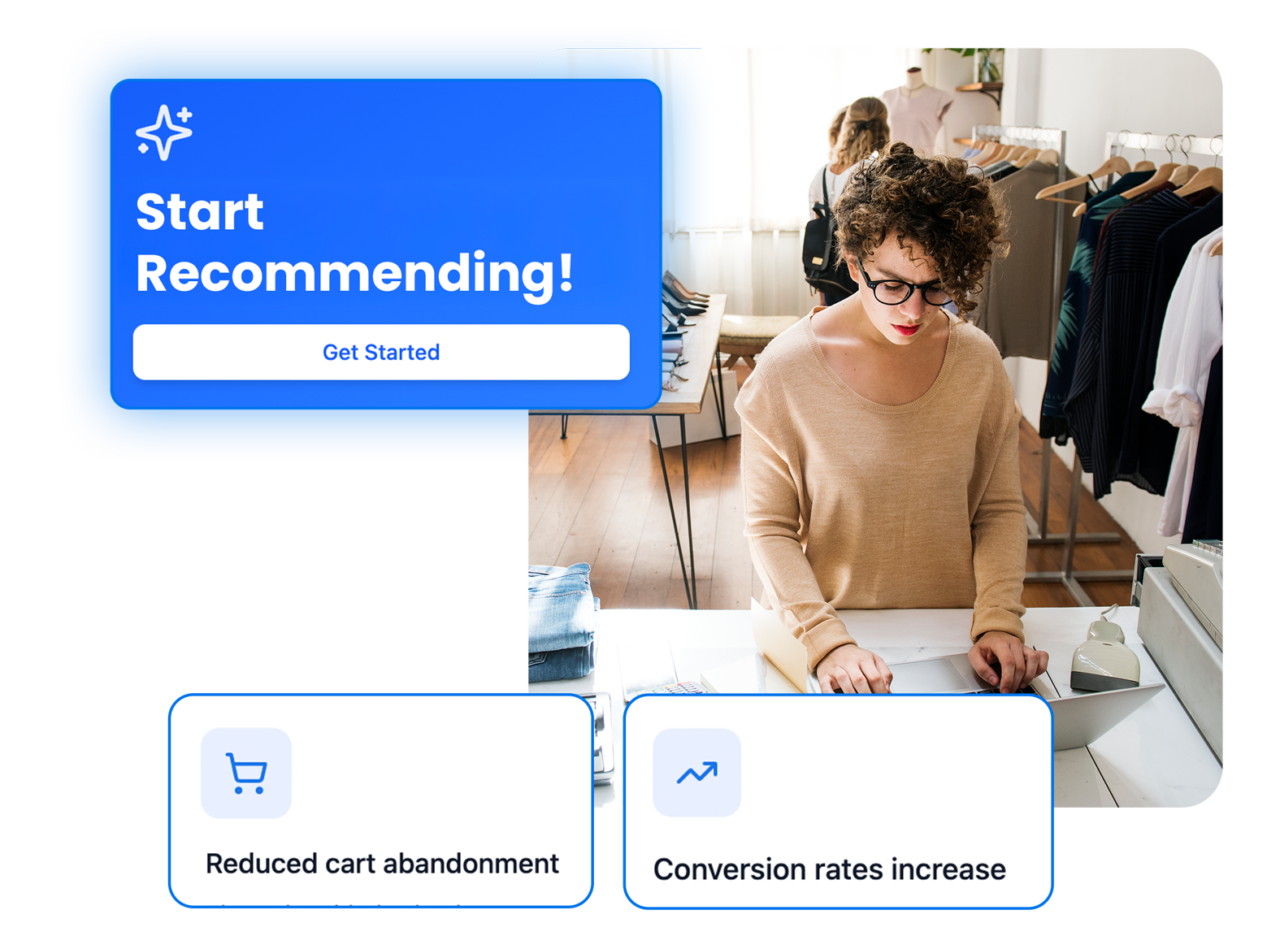
- Conversion rates increase through intelligent product discovery
- Average order value grows via contextually relevant cross-sell and upsell
- Customer satisfaction improves through genuinely personalized experiences
- Scalable personalization without proportional headcount increases
- Reduced cart abandonment through guided selection
Watch the
AI Recommender Agent
in action
AI Recommender Agent
in action
70% of website visitors leave after seeing one screen.
It’s not the 404 page. It’s not the checkout.
It’s the “No results found” page — the moment where trust is either built or broken.
See how AI recommender agents transform vague human intent into relevant, high-value recommendations — and how Rappit helps businesses embed these agents directly into their existing systems.
Who benefits most
E-commerce and retail businesses
Fashion and apparel brands
Home goods and furniture retailers
Subscription services
Any B2C company seeking to enhance digital customer experiences
Building blocks
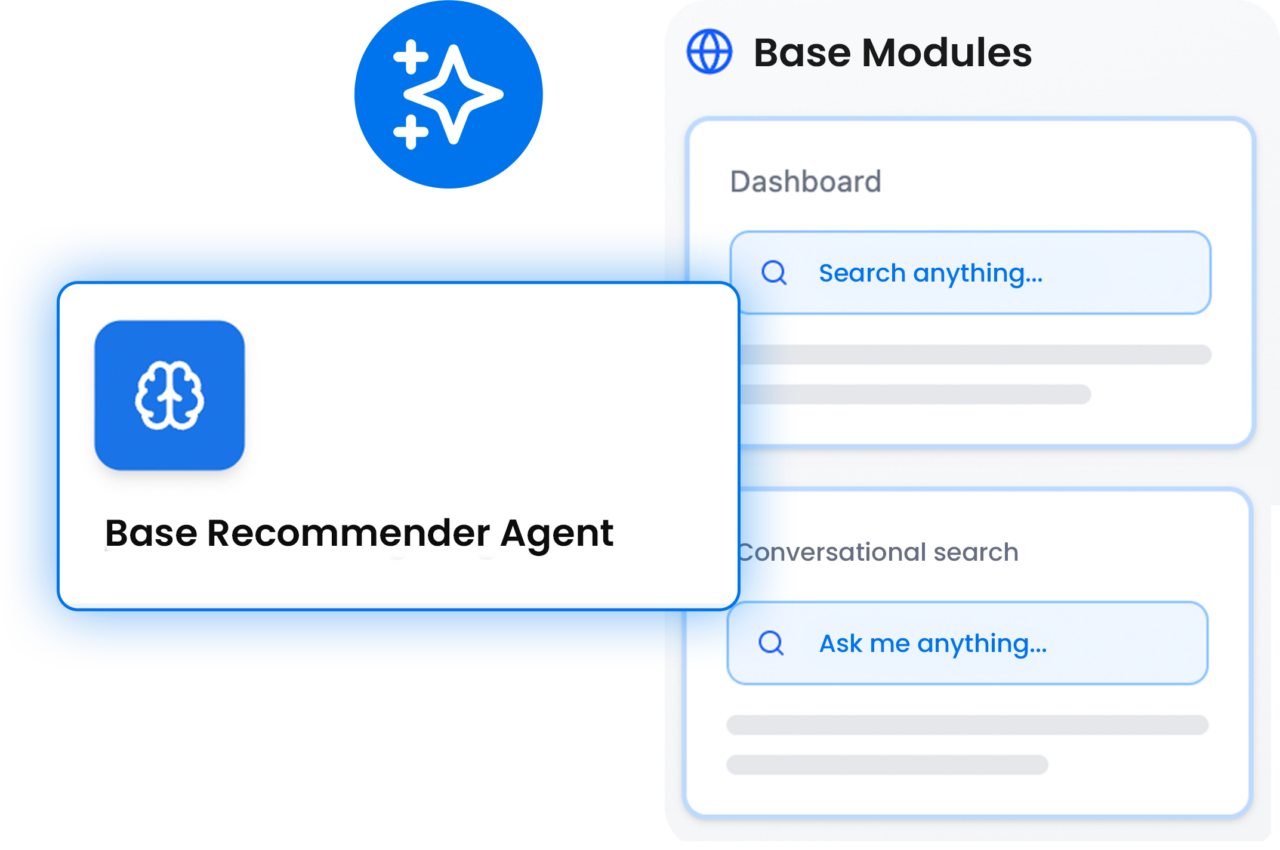
Base Recommender Agent
The agent first understands user requirements through clarification, then transforms them into precise queries for a vector search tool to find relevant products. It maintains conversational memory to ensure context continuity while delivering ranked, personalized product recommendations based on the user’s specific requirements.
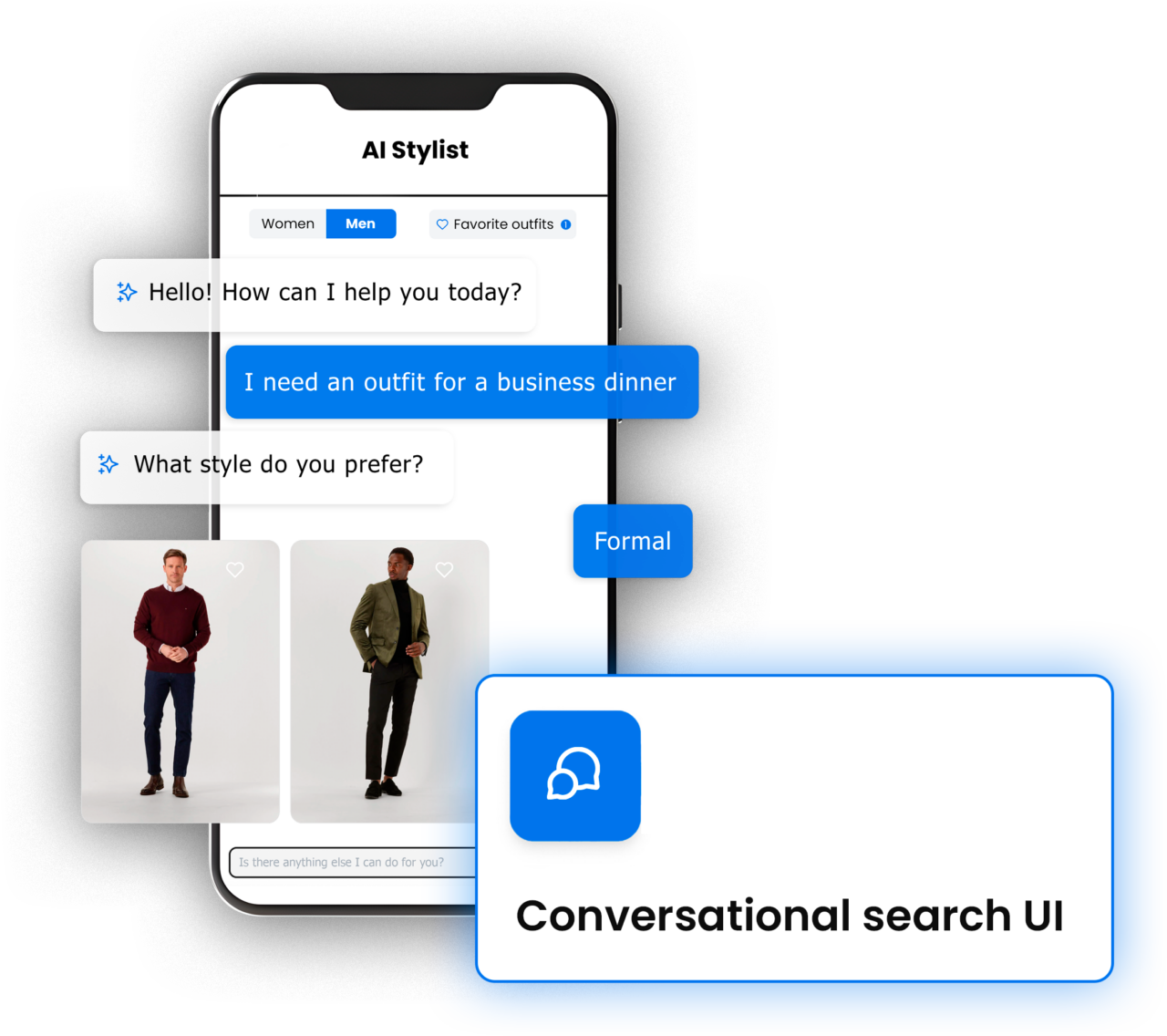
Conversational search UI
The Pluggable Search UI serves as the front-end interface—a flexible, embeddable component—that facilitates the entire natural language interaction between the user and the Recommender Agent. It seamlessly integrates the multi-turn dialogue with the presentation of personalized, re-ranked product results.
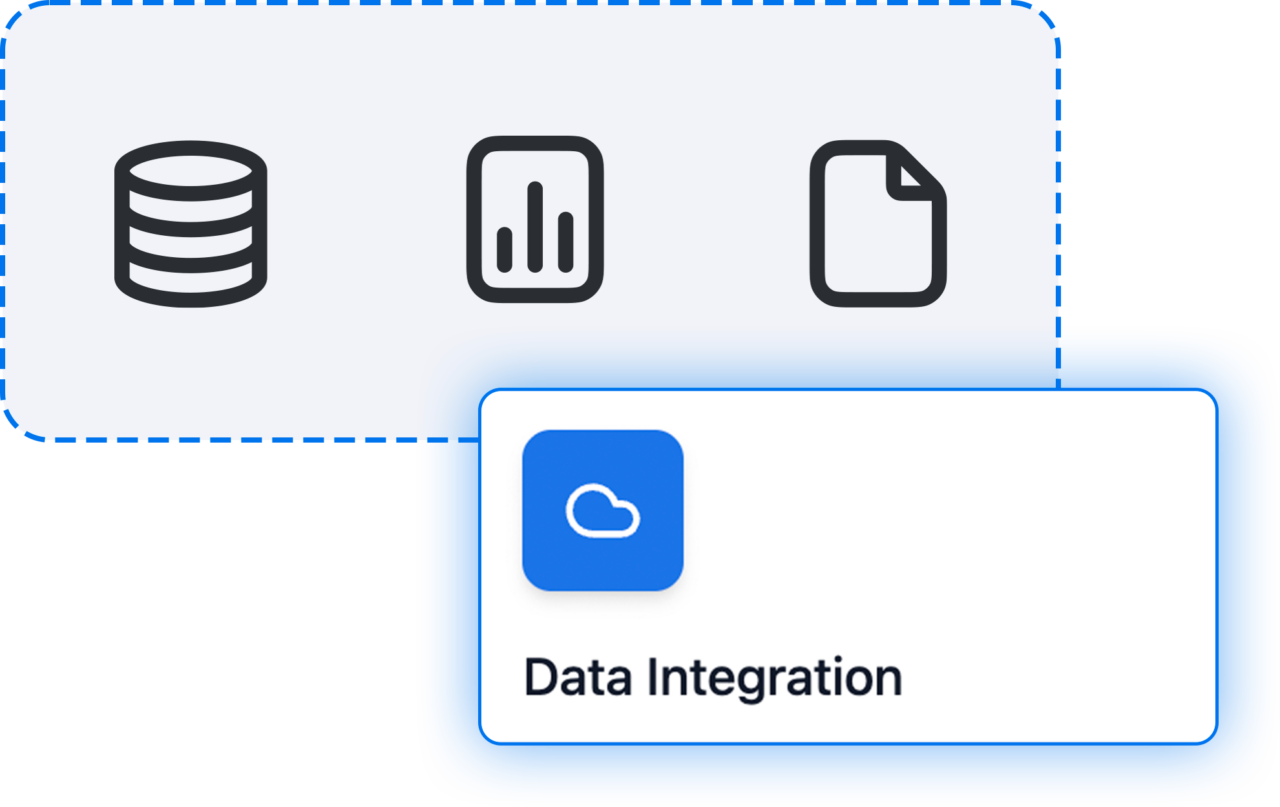
Data integration
The data integration framework component enables users to configure either feed or URL synchronization to import product and service information into cloud storage. It facilitates easy scheduling and orchestration of the data pipeline.
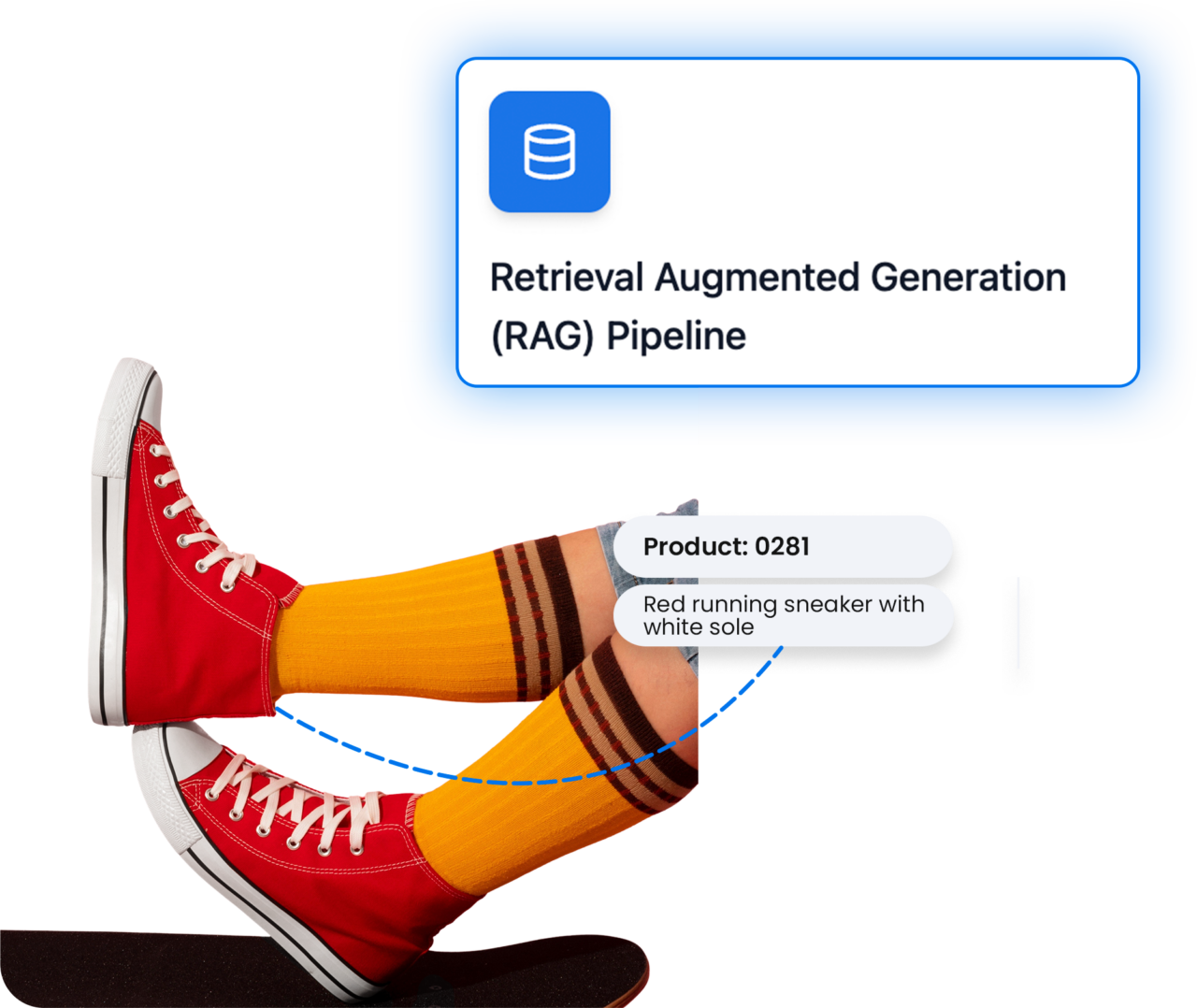
Retrieval Augmented Generation (RAG) Pipeline
The RAG pipeline’s Data Enrichment module improves product data by adding descriptive captions to images and summarizing lengthy text fields. Following enrichment, embeddings are generated for this data and stored for indexing in a vector search index, which then allows for efficient semantic querying and retrieval of related items.
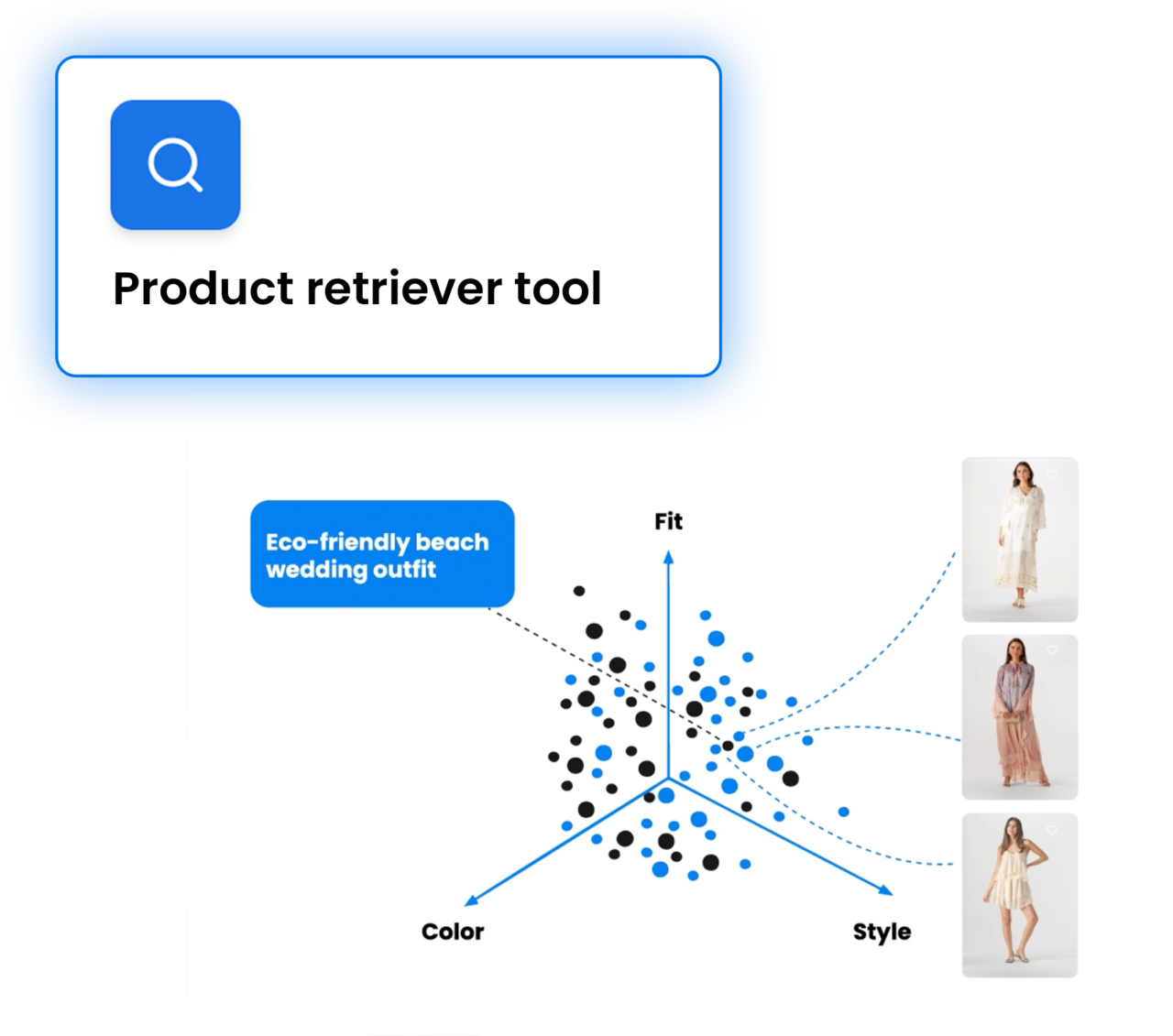
Product Retriever Tool
The Retriever tool uses semantic search on a vector index to find relevant products based on user queries (text/image). It returns these results with metadata, and can optionally re-rank or filter them for personalization.
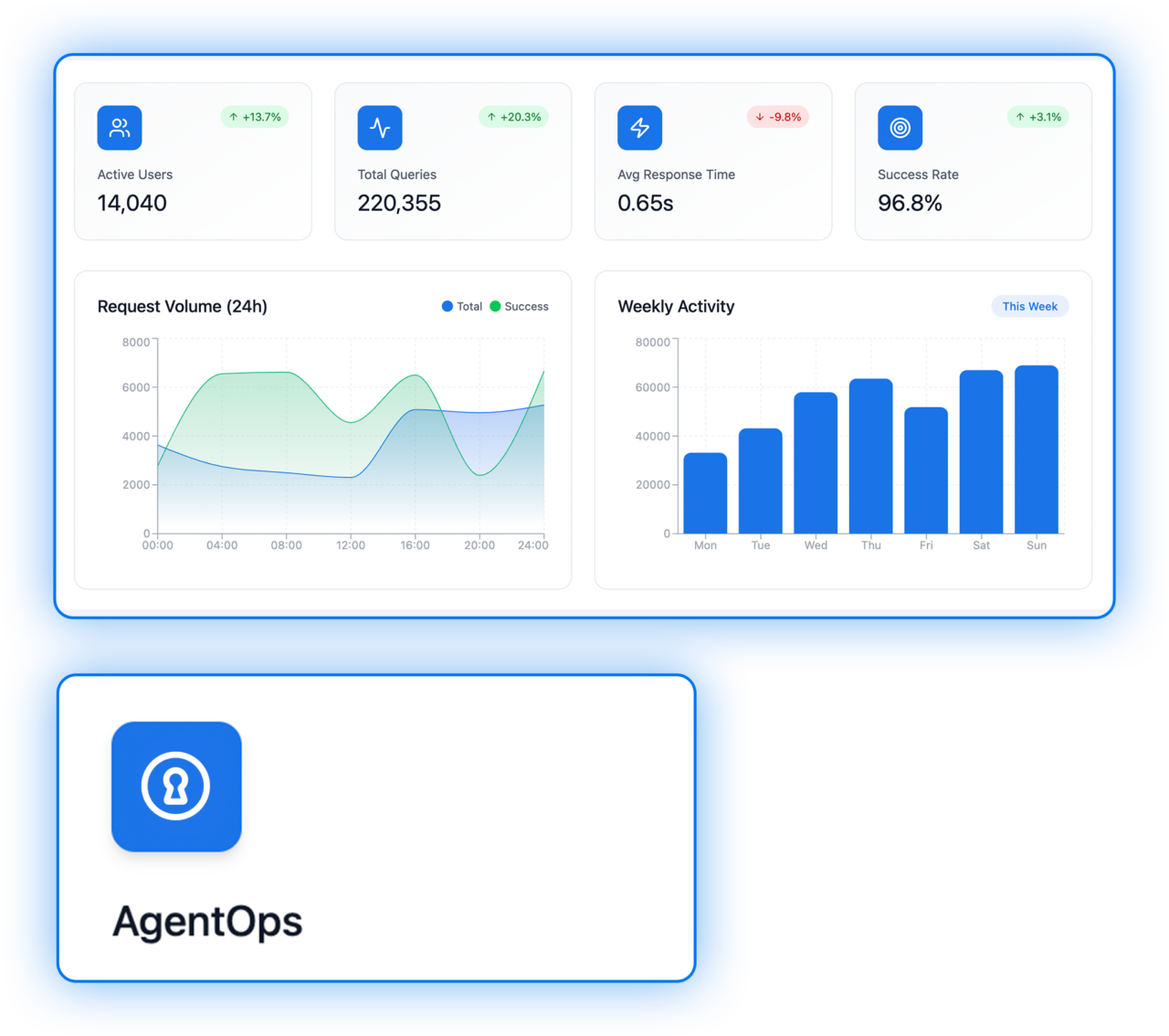
AgentOps
The AgentOps framework component provides observability by analyzing recommendation outcomes to drive continuous performance improvements. It also implements security guardrails and manages the agent’s cost, scalability, and operational efficiency.

Boosting Omoda’s customer experience with the AI stylist
In an era where artificial intelligence (AI) is reshaping the retail landscape, Omoda has launched the ‘AI Stylist,’ a GenAI-powered shopping assistant developed by Rappit to provide customers with personalized outfit recommendations, moving beyond traditional product listings. This innovation aims to make online interactions as relevant and personal as those in a physical boutique.
In a standout session at the Google Cloud Summit Benelux 2025, Jan Baan (CEO, Omoda) and the Rappit team presented the creation of Omoda’s AI Stylist.
Knowledge agent
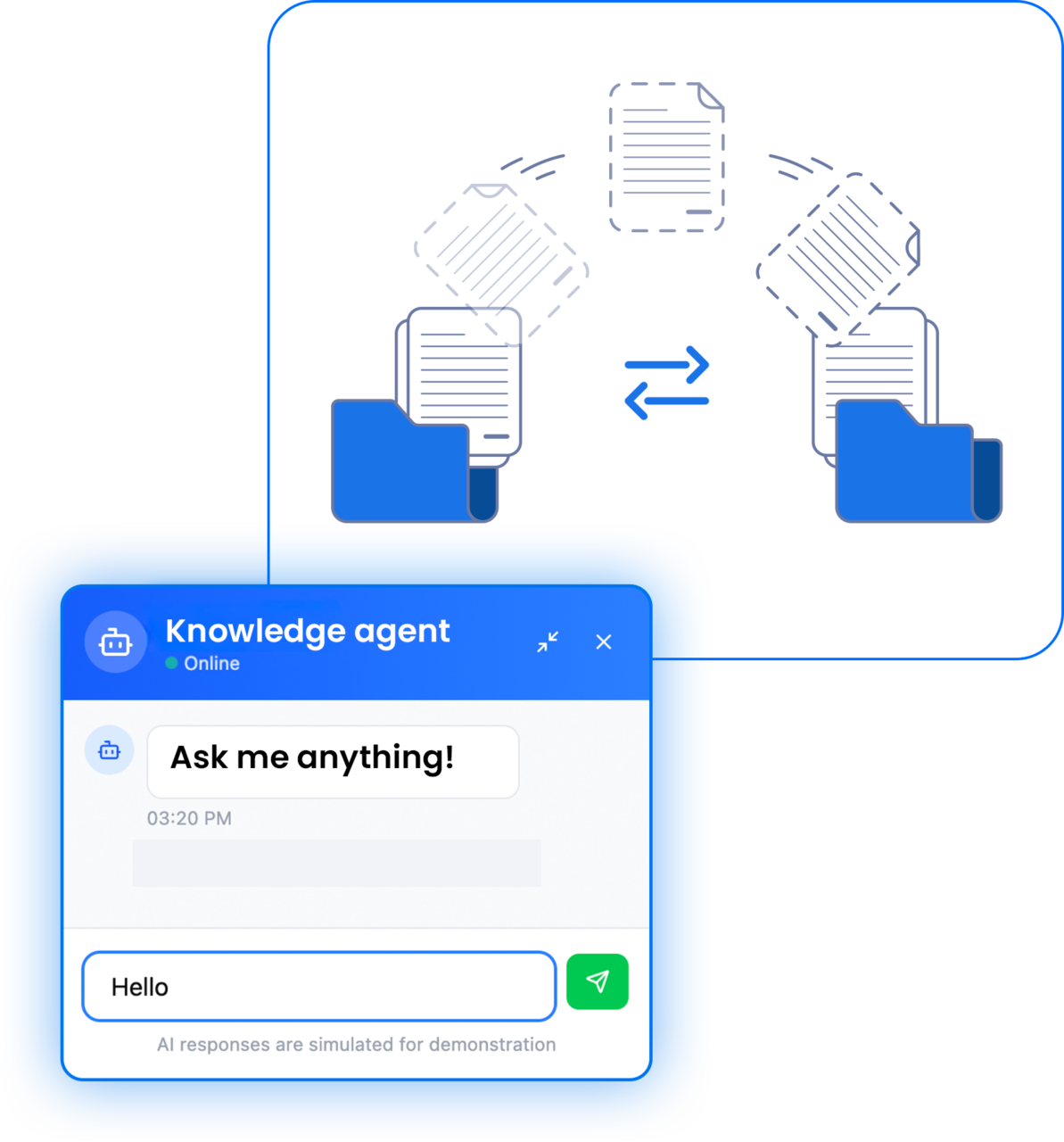
Transform unstructured data into instant, conversational insights
The Knowledge Agent gives your teams immediate access to intelligence locked in documentation, manuals, and enterprise repositories. Built on a retrieval-augmented generation (RAG) architecture, it understands natural language questions and delivers accurate, contextual answers with source attribution.
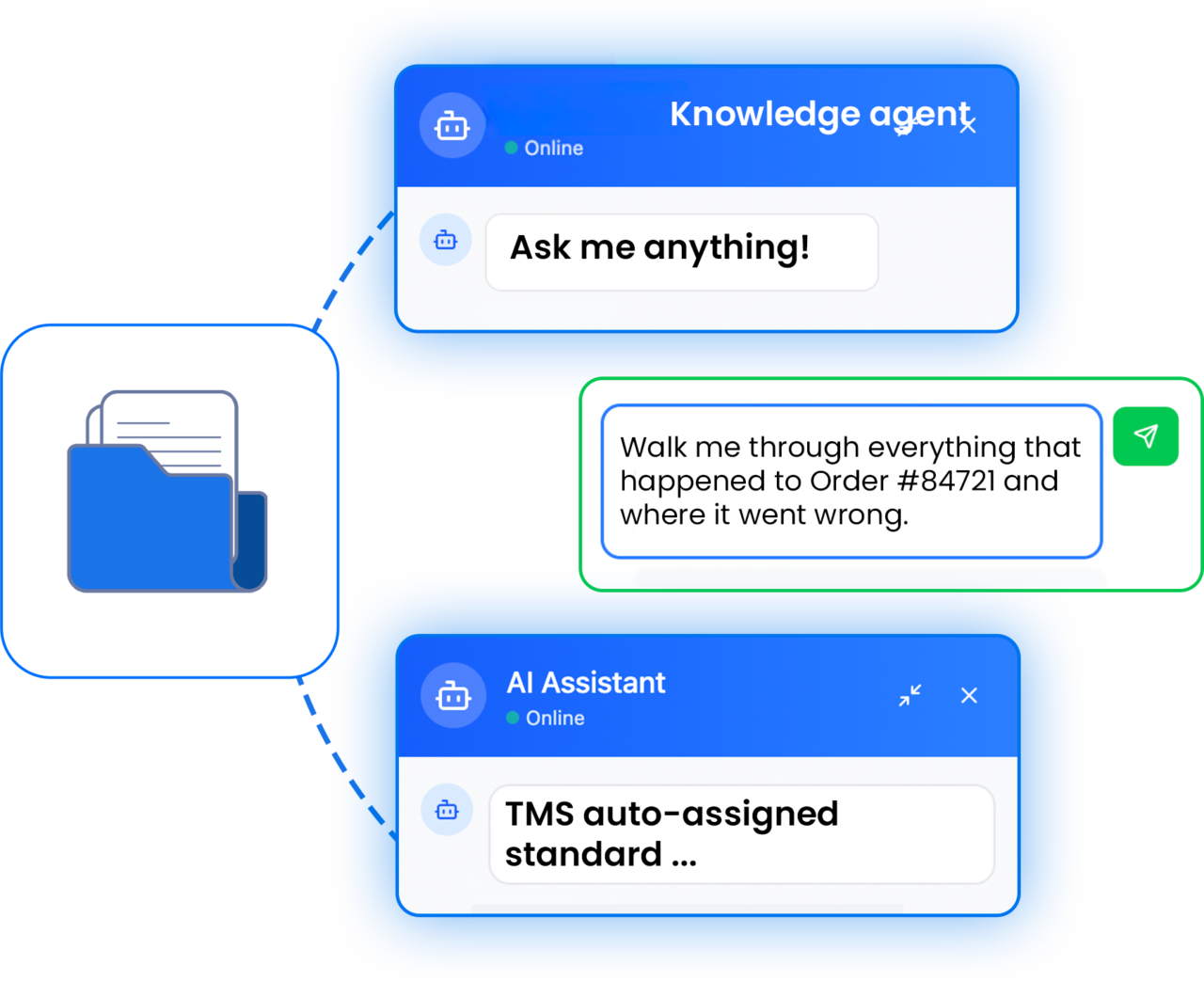
How it works
Users ask questions in plain language within your application. The agent retrieves relevant information from your integrated data sources, maintains conversation context across multi-turn interactions, and synthesizes results with source attribution, all in seconds.
Real-world impact
- Knowledge workers spend 40-60% less time searching for information
- Field teams access critical answers in seconds, improving customer satisfaction
- Support organizations reduce ticket resolution time and costs
- Organizations unlock value from existing data assets without new infrastructure
Who benefits most
Enterprise organizations managing large documentation volumes
Service-oriented businesses with field technicians
Building blocks
Base Knowledge Agent
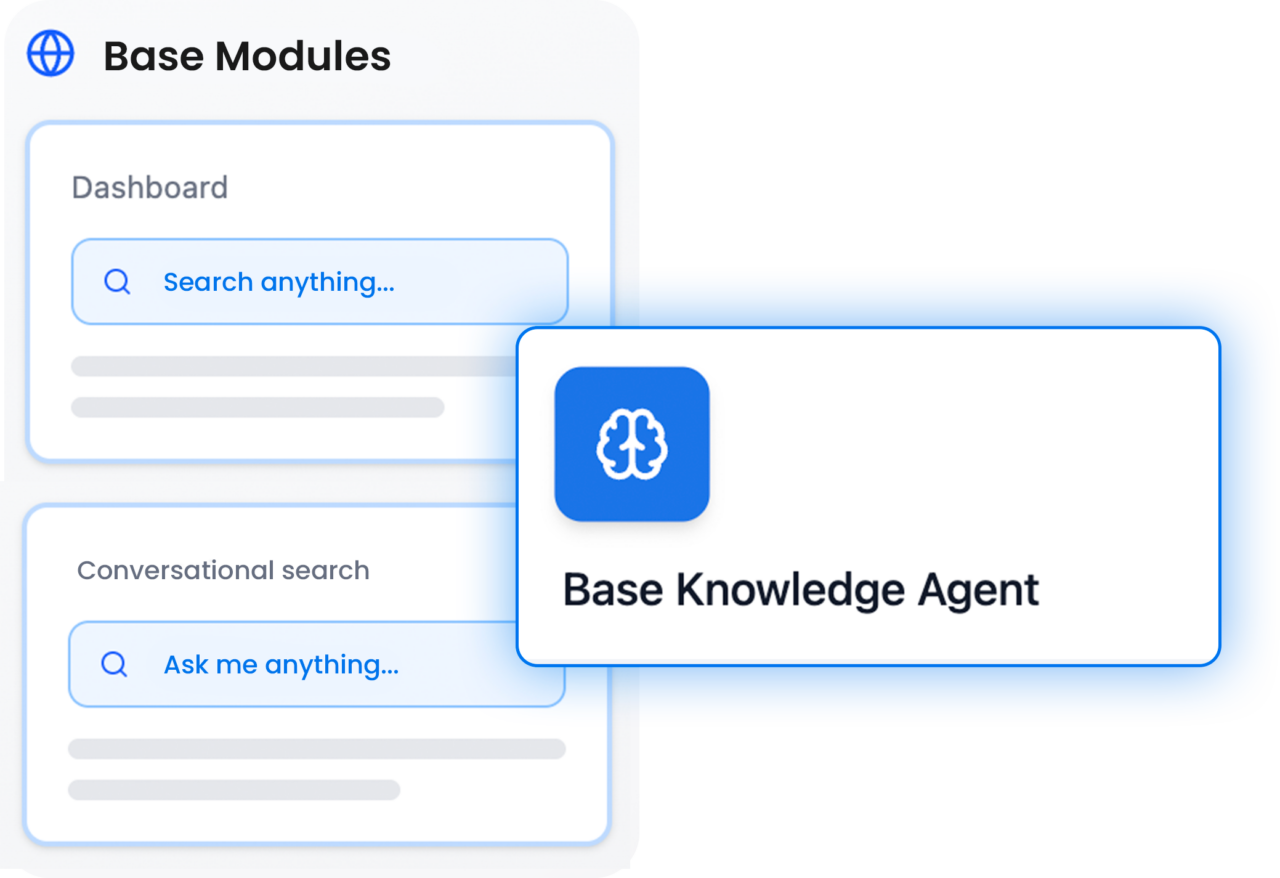
The conversational orchestrator that manages complex dialogues and delegates specialized tasks (retrieval, summarization, translation, mind map generation) to dedicated sub-agents. Learns from user feedback and adapts to new functionalities as needed.
Pluggable UI components
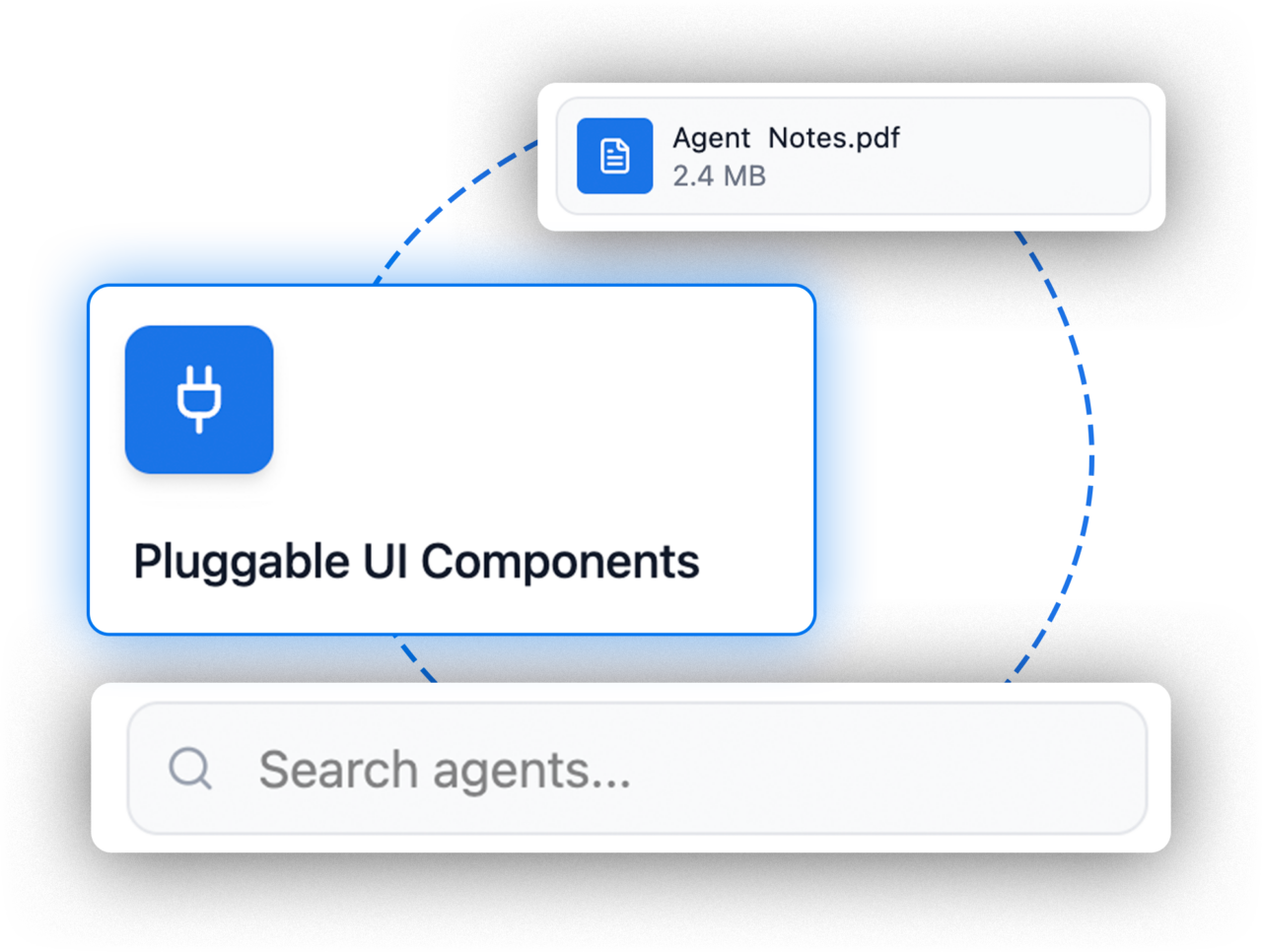
Embeddable search bars and chat interfaces that work anywhere in your system. An intelligent document reader that saves your research progress, notes, and highlights so you never lose context.
Data integration
Syncs documents from feeds or URLs automatically. Easily schedule and manage data pipelines so your knowledge agent always has access to up-to-date information.
Retrieval Augmented Generation (RAG) Pipeline
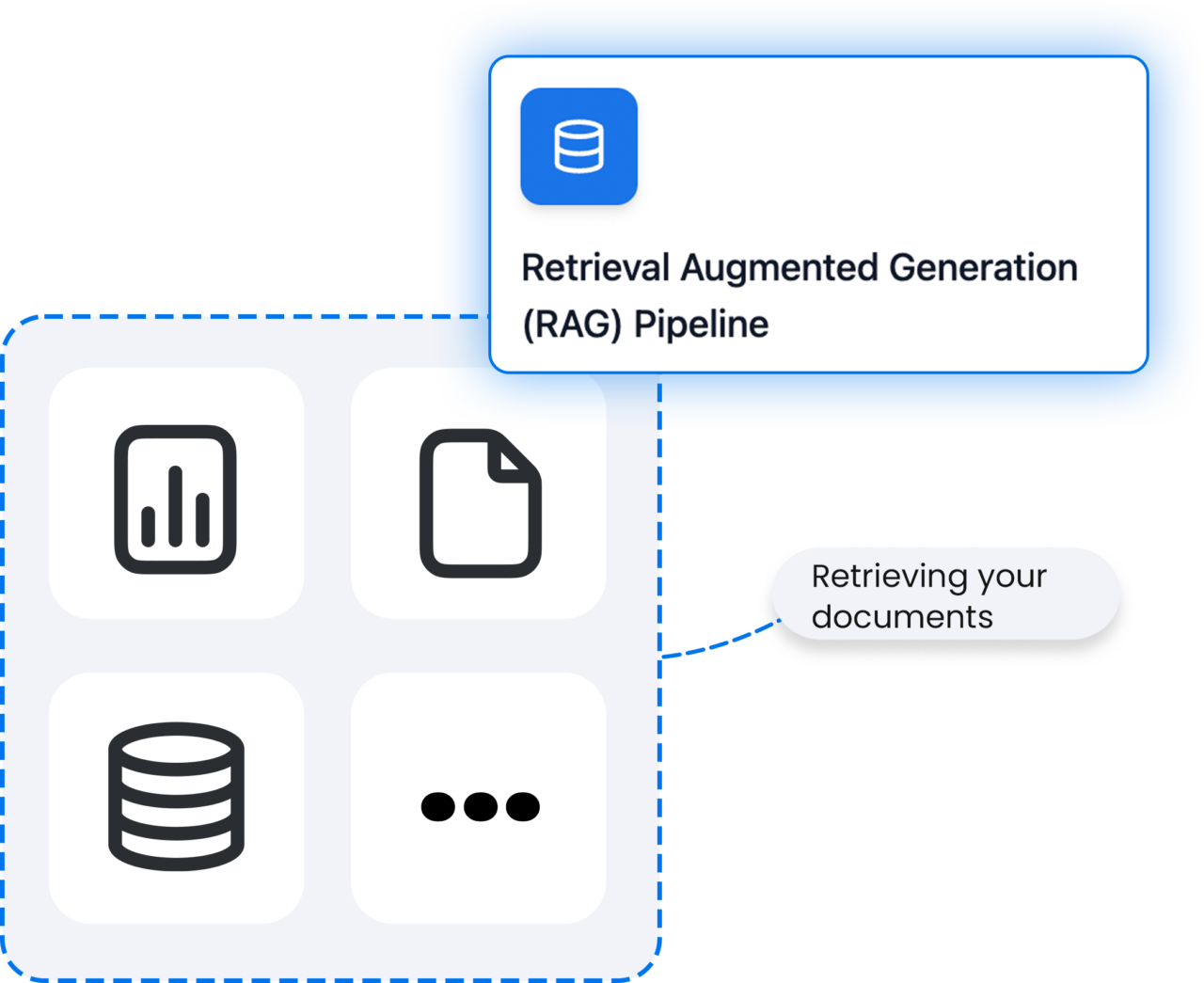
Converts unstructured documents into searchable data using OCR, intelligent chunking, and embedding, so users can find information by meaning, not just keywords. Automatically updates the search index whenever new documents are added.
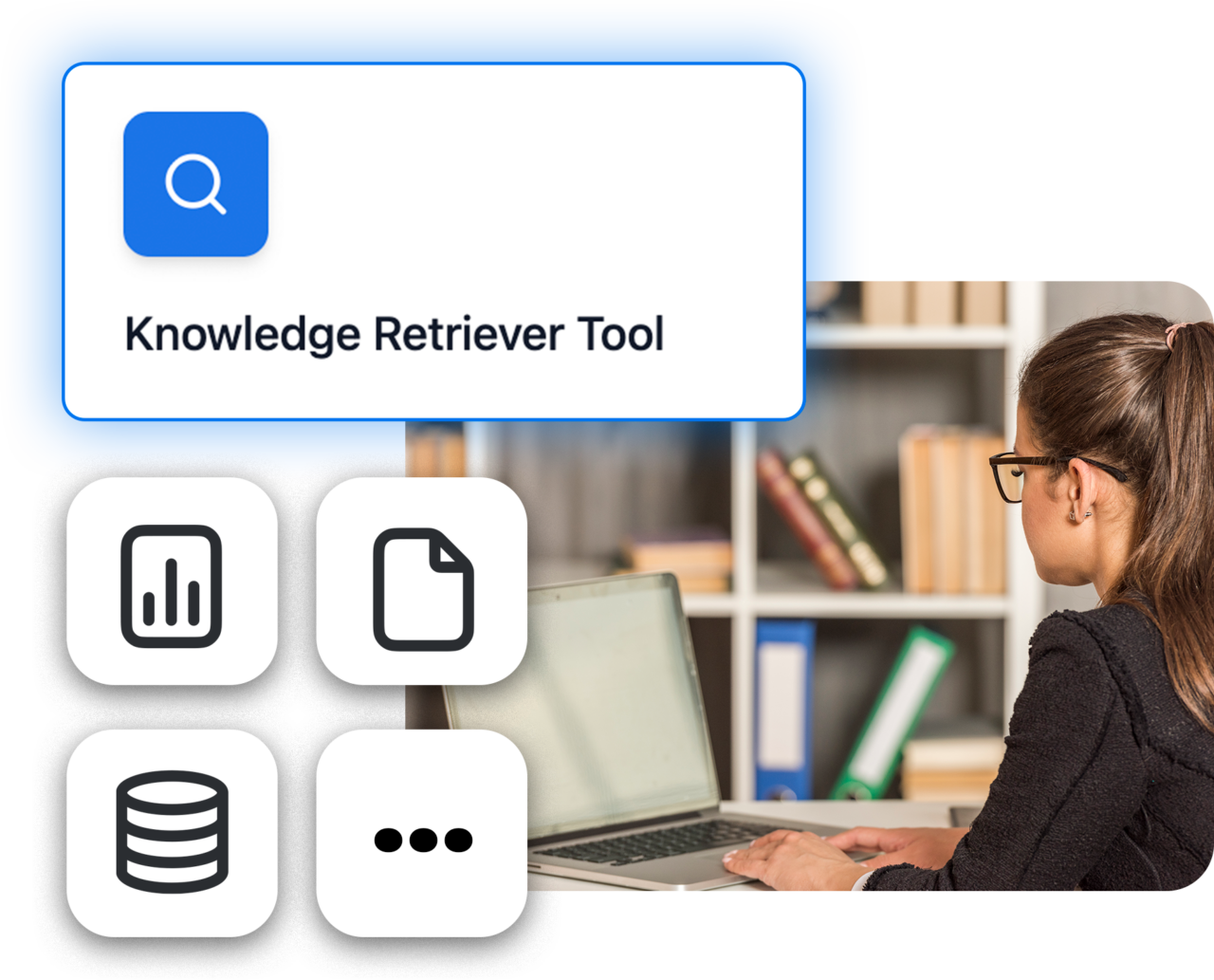
Knowledge Retriever Tool
Performs semantic searches to find the most relevant information from your documents. Users get answers based on meaning, not keyword matching. Returns results with context and metadata that can be enriched and re-ranked for maximum accuracy.
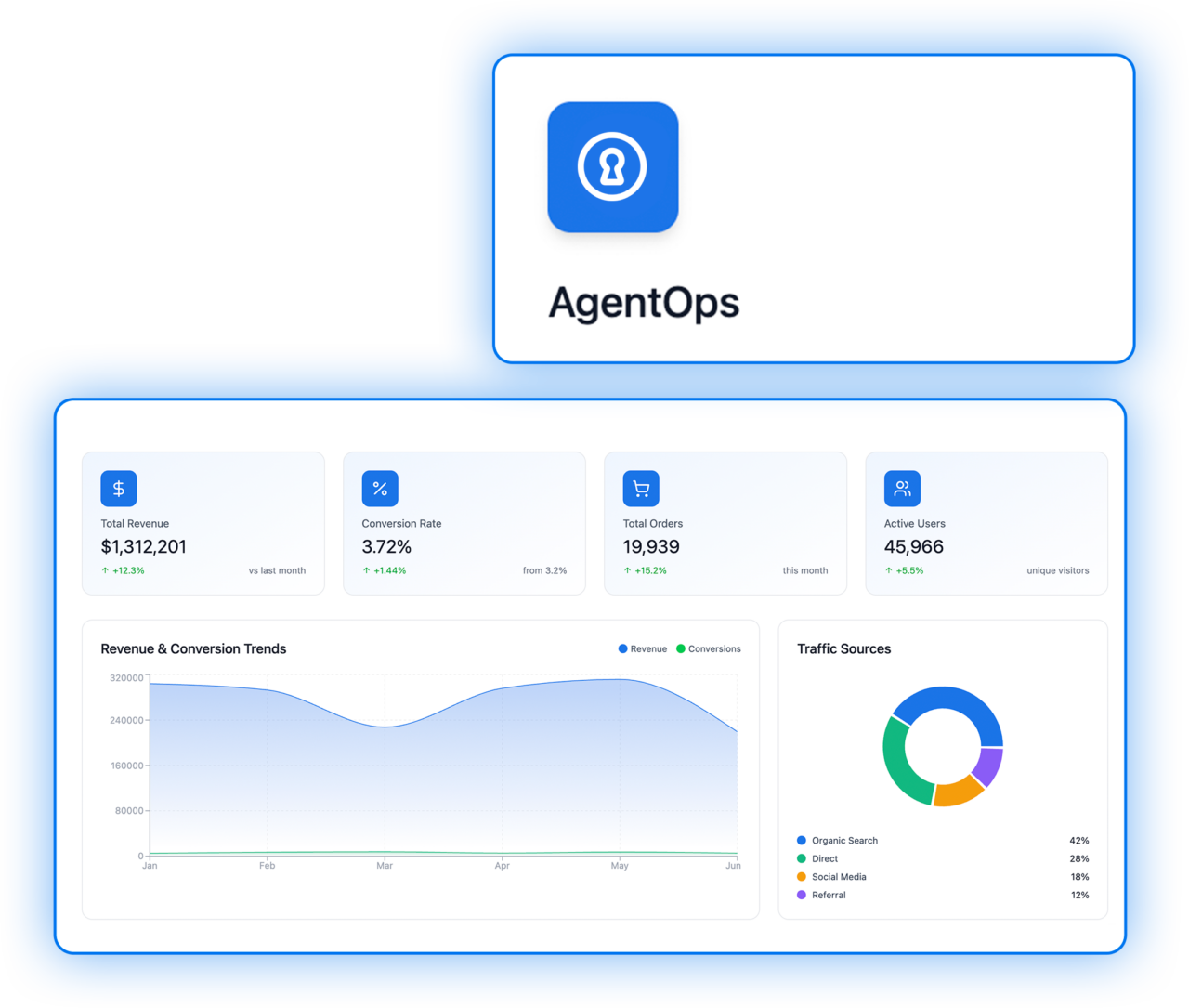
AgentOps
Continuously improves answer accuracy through performance analysis, without manual tuning. Security guardrails and cost controls ensure safe, predictable operations at scale.
Educational institutions
Companies with complex compliance requirements
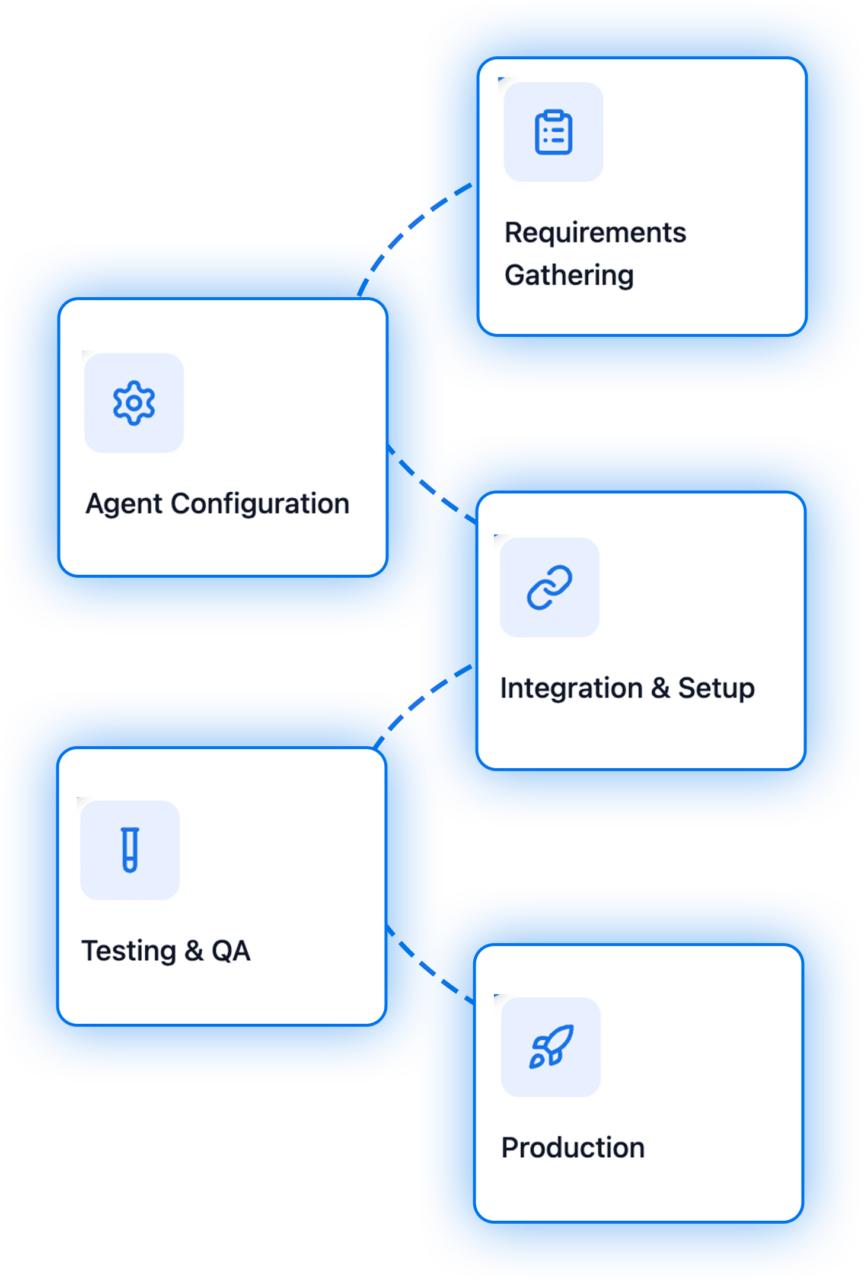
From contract to deployment in 6-8 weeks
Rappit’s proven adaptable solution framework compresses traditional deployment timelines from months to weeks. We handle the complexity and partner with you to define business requirements.
- Requirements gathering – Define your use case and success metrics
- Agent configuration – Customize based on your data and business logic
- Integration & setup – Connect to your data sources and systems
- Testing & QA – Comprehensive validation before launch
- Production deployment – Go live with ongoing monitoring
Technical foundation
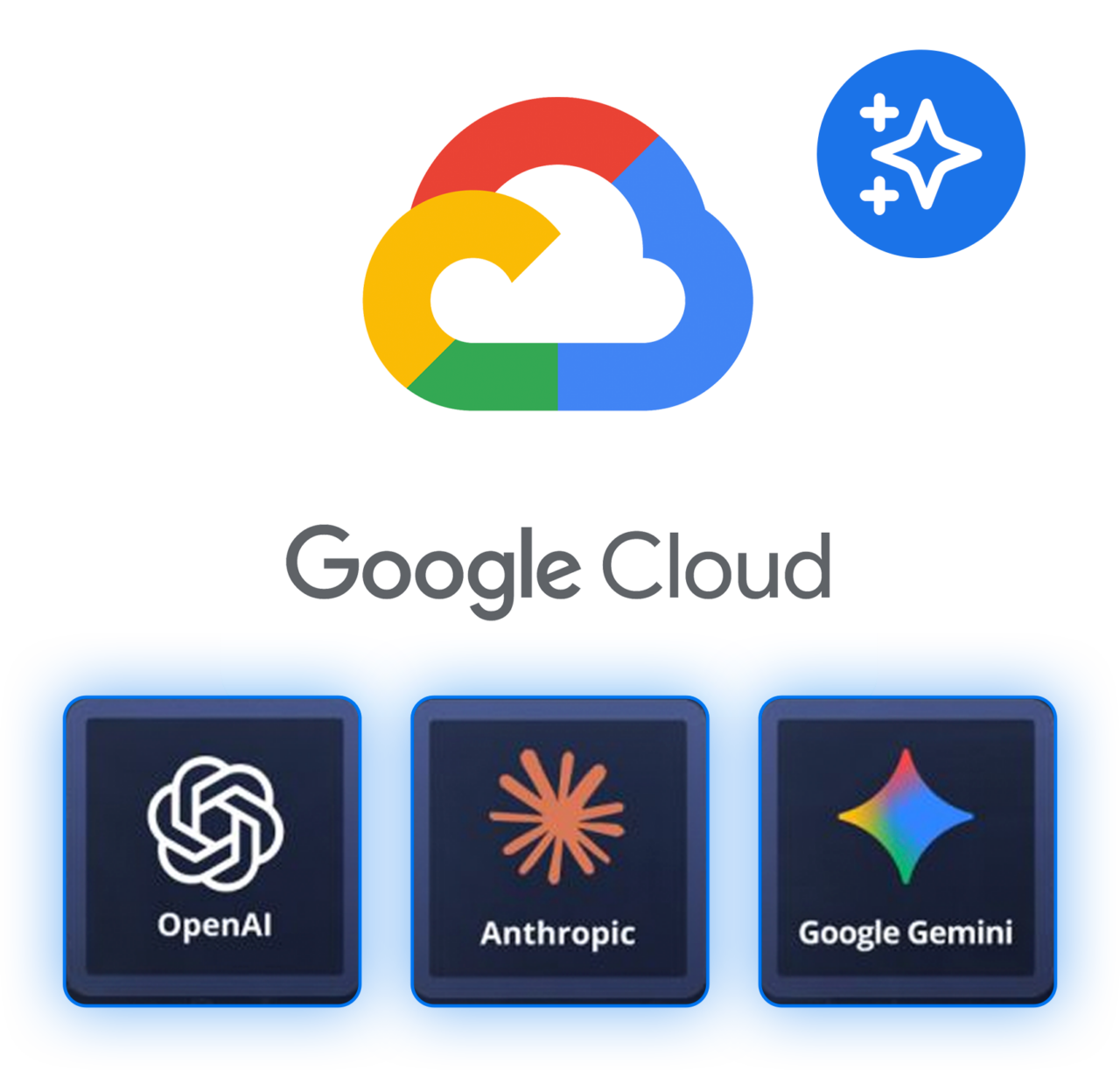
Built on Google Cloud Platform. Works with any leading language model (Google Gemini, OpenAI, Anthropic). Integration through industry-standard REST APIs and MCP servers.
Once your agents are deployed, our commitment continues.
As your business evolves, Rappit adapts with you, scaling solutions, addressing new use cases, and extending agent capabilities in line with changing priorities.
Application support & maintenance
Direct access to experts for troubleshooting, routine updates, and sustained solution health.
Cloud operations & monitoring
Continuous infrastructure management, performance tracking, and proactive system oversight, no matter your cloud environment.
Security, compliance & observability
Ongoing protection for your data, regulatory review, and transparent monitoring built into every phase.
Performance optimization
Regular analysis, tuning, and enhancements to maintain accuracy and alignment with your goals.
Incident resolution & patches
Fast, effective response to any issues, along with ongoing roll-out of improvements and new features.
AI agent solutions built for enterprise
Tailored solutions
Complete business solutions for specific use cases, not generic frameworks.
No need for you to build
We’ve done the heavy lifting for you.
Plug into open systems
Get production-proven agents that plug directly into any open system.
Ongoing support
Deployed in weeks with comprehensive ongoing support.

Partnership, support and expertise
Every step of your AI journey
Working with Rappit means gaining a strategic partner that’s deeply invested in your success from initial planning through long-term optimization. From day one, our team collaborates to shape your goals, clarify requirements, and guide you through every step of defining, configuring, and integrating your AI agents. Solutions are never generic: each agent is tailored to your unique workflows, data, and business logic for maximum relevance and value.
Google Cloud’s robust and scalable infrastructure, coupled with advanced AI solutions and Rappit’s expertise, has allowed us to rapidly launch an innovative generative AI service in record time. The Rappit team’s deep understanding of transformative AI technology and experience in building valuable AI agents was critical to our success.
Ewoud Frielink – CTO of Omoda
See how Rappit gets AI into production while others are still planning
Frequently Asked Questions
What is Agentic AI?
Agentic AI refers to systems that combine intelligence with autonomous decision-making and action-taking capabilities. Unlike traditional automation tools that follow predefined rules or workflows, agentic AI solutions can understand complex requirements, reason through situations, make decisions independently, and take actions based on those decisions. In the context of Rappit, agentic AI means building solutions where the system can observe data, analyze it, make intelligent decisions about the next steps, and execute tasks, including capabilities like having conversations, asking clarifying questions, and negotiating with people, without requiring human intervention at each step. This represents a fundamental shift from automating individual steps in a process to automating entire decision-making workflows.
What's the difference between Agentic AI and AI agents?
While the terms are related, there’s an important distinction. Agentic AI is the broader philosophical approach to building systems with autonomous decision-making and action capabilities, it’s a design pattern and architectural principle. AI agents are the specific implementations of agentic AI. Rappit’s Knowledge Agent and Recommender Agent are examples of AI agents built on agentic principles. These agents represent functional solutions designed for particular business problems, whereas agentic AI describes the underlying capability for autonomous reasoning and action. Think of it this way: agentic AI is the concept; AI agents are the products.
How quickly can we deploy these agents?
Both the Knowledge Agent and Recommender Agent are designed for rapid implementation. Typical deployment takes 6-8 weeks from contract signature to production launch. This assumes your organization has prepared the necessary data sources and API infrastructure for integration. The timeline is significantly compressed because these are proven, adaptable solutions rather than custom-built systems developed from scratch. Rappit’s dedicated implementation team handles configuration, data integration, testing, and deployment, while you focus on defining business requirements and validating the solution.
Can we still use these agents if we don't have a Rappit application yet?
Yes, they can be adapted and integrated into any open core system or website. For example, the Recommender agent can be integrated with your ecommerce website or CRM system and the Knowledge agent with your Transportation Management System (TMS).
How do these agents learn from our specific business context?
Both agents are configured during implementation with your specific data, business rules, and workflows. For the Knowledge Agent, this means connecting to your document repositories, databases, and knowledge systems so it can retrieve accurate, contextual information specific to your organization. For the Recommender Agent, it means integrating with your product catalogs, inventory systems, and customer data so recommendations reflect your actual offerings and customer preferences. Rappit’s AI agents are engineered for continuous improvement, featuring built-in observability and feedback mechanisms.
What happens if we want to customize or extend an agent's capabilities?
Rappit’s architecture is built for extensibility. The configurable nature of these agents allows for significant customization during the initial implementation phase. For more advanced customization needs or unique requirements beyond standard configurations, we work with your team to assess the scope. Some extensions can be handled within the existing agent framework, while others may require dedicated development work. We can discuss your specific needs during the requirements phase to provide accurate timelines and costs for any custom enhancements.
What about data security and compliance? How are our data and customer interactions protected?
To ensure the utmost protection of your data and customer interactions, Rappit’s AI agents are fortified with robust security measures, including a multi-layered guardrail strategy and Google Cloud’s Model Armor service. This comprehensive approach treats safety as a continuous defense system operating throughout the entire lifecycle of a user interaction. Data security is built into Rappit’s platform and agent architecture. Beyond this multi-layered guardrail strategy, all communication between agents and your data sources is encrypted, and access is controlled through authentication and authorization mechanisms you define. Agents operate within your infrastructure environment and you maintain control over where data is processed and stored. Our annual subscription includes security monitoring, compliance oversight, and regular security patches. We comply with major data protection standards and can work with your security and legal teams to meet industry-specific compliance requirements (HIPAA, SOC 2, GDPR, etc.). Data retention policies are configurable based on your requirements.
How do we measure whether these agents are delivering real business value?
Rappit AI agents are designed to demonstrate tangible business value, which is measured through an integrated observability framework. This framework allows us to model and track customer-defined success metrics from the outset of implementation. Regular reporting dashboards provide ongoing performance analytics, enabling continuous identification of optimization opportunities. Most organizations experience a measurable return on investment within 3-6 months of production launch.